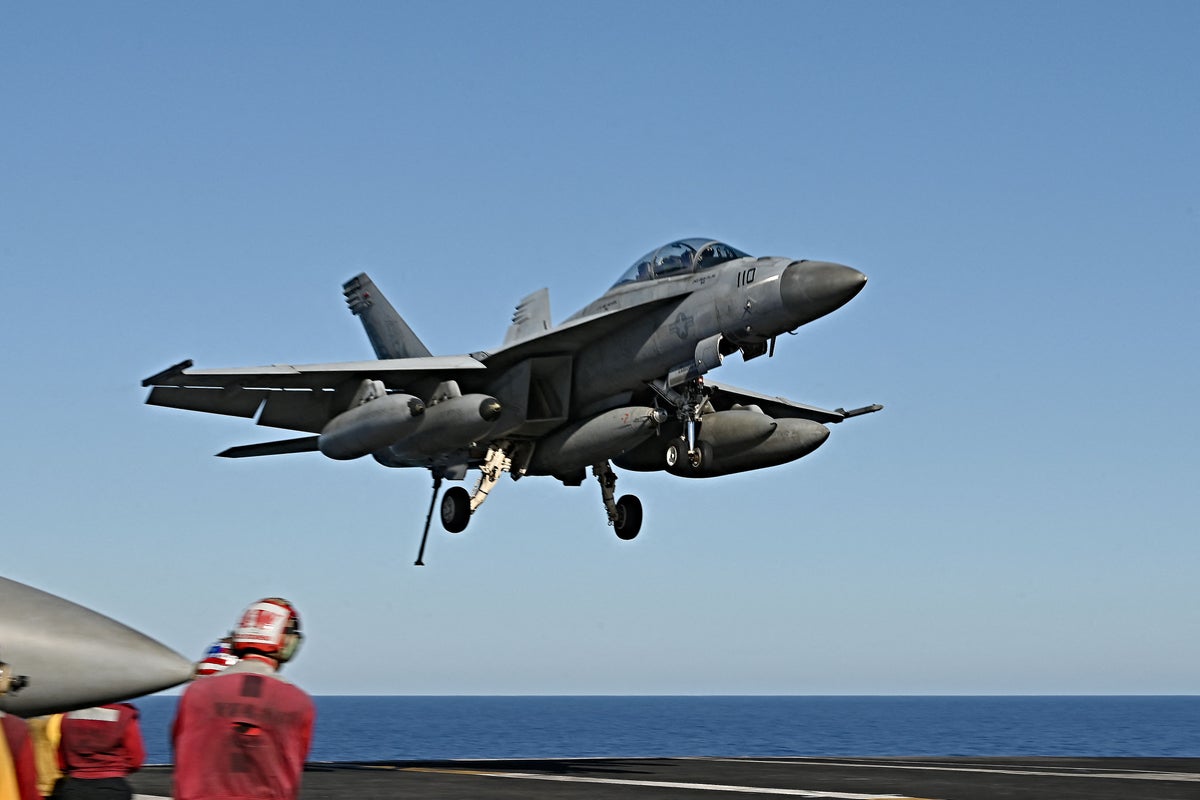
When a Russian attack drone breaches Romanian airspace, the response from Western command centers follows a familiar, rigid choreography. Radars ping, fighter jets scramble from bases like Fetești or Mihail Kogălniceanu, and officials issue stern communiques condemning reckless provocations. Yet beneath the diplomatic bluster lies an uncomfortable operational reality. NATO is spending millions of dollars in fuel, maintenance, and flight-hour depreciation to chase low-cost uncrewed systems over European skies, while the underlying defensive architecture remains dangerously unequipped for the realities of modern attrition warfare.
The downing of unauthorized drones over Romania is no longer an isolated anomaly or an unfortunate navigational error by distracted operators. It is a calculated stress test of Alliance resolve and an exposure of a profound structural mismatch. Western air defense was built to intercept supersonic fighters and high-altitude cruise missiles, not swarms of cheap, combustion-engine loitering munitions skimming low across the Danube.
The Economics of Asymmetric Attrition
To understand why these incursions pose such a persistent threat, one must look closely at the math governing the battlefield. A standard Iranian-designed Geran-2 or Shahed-type drone costs roughly twenty thousand dollars to manufacture. It is loud, slow, and constructed largely of fiberglass, foam, and off-the-shelf consumer electronics.
Conversely, scrambling a pair of multirole fighters like the Romanian F-16s or Italian Eurofighters burns tens of thousands of dollars per hour in operational costs alone. When an allied jet fires an advanced heat-seeking or radar-guided missile to neutralize that target, the cost ratio flips absurdly out of balance. An AIM-120 AMRAAM or an equivalent modern interceptor carries a price tag running well into seven figures.
Moscow understands this financial equation intimately. Every drone sent drifting across the Romanian border forces NATO into an economically unsustainable expenditure of high-end ordnance. If sustained indefinitely, this dynamic threatens to deplete specialized western stockpiles faster than defense industrial bases can replenish them. The strategy relies on bleeding the adversary through sheer repetition and low-tier hardware.
The Radar Horizon and Low-Altitude Blind Spots
Geography compounds these economic headaches. Romania shares an extensive, winding border with Ukraine along the Danube River, sitting directly adjacent to ongoing conflict zones where Russian forces routinely target port infrastructure in Odesa.
When these uncrewed aerial vehicles hug the terrain, flying at tree-top levels or weaving through river valleys, ground-based radar networks face severe physical limitations. Radio frequency signals travel in straight lines, while the earth curves away beneath them. Terrain masking creates deep blind spots where low-flying objects simply vanish from scope until they are practically overhead.
Recent crashes in Tulcea County and urban strikes in cities like Galați demonstrate that passive detection fails when objects fly beneath the minimum elevation thresholds of legacy air defense radars. By the time civilian eyewitnesses or local border guards spot the distinctive buzz of a two-stroke engine, the window for a safe, calculated military response has shrunk to mere minutes.
The Rules of Engagement Dilemma
Operating inside a densely populated peacetime European Union member state introduces legal and ethical complications that do not apply on the front lines of eastern Ukraine. Pilots cannot simply pull the trigger the second a blip crosses a border.
Strict chains of command, collateral damage assessments, and international air law complicate every engagement. When a drone drifts over agricultural land or suburban neighborhoods, the risk of falling debris injuring civilians or destroying property forces commanders to hesitate. Pilots must establish visual contact, verify the nature of the target, confirm that the trajectory avoids populated sectors, and secure firing clearance from higher headquarters.
In several documented instances, these procedural safeguards consumed the entirety of the drone's brief flight time over national territory, allowing the machine to loop back across the border into Ukraine before weapons could be brought to bear. Paradoxically, the very safety mechanisms designed to protect non-combatants during peacetime create operational friction that opportunistic adversaries can exploit.
Shifting From Jets to Dedicated Countermeasures
Military planners inside Alliance headquarters are acutely aware that relying on fourth-generation fighter jets to swat down hobbyist-grade technology is a sub-optimal stopgap. The long-term solution requires a fundamental pivot toward distributed, short-range air defense infrastructure designed specifically for the counter-uncrewed aerial systems mission.
Deploying specialized electronic warfare jamming units, mobile gun systems equipped with proximity-fuzed ammunition, and acoustic sensor arrays along the border offers a vastly more sensible economic and tactical profile. Directed-energy weapons and laser-based interceptors remain largely experimental or prohibitively power-hungry for widespread deployment, but kinetic interceptors driven by low-cost rockets represent an immediate, pragmatic upgrade.
The ongoing adaptation of NATO forces on the eastern flank indicates that passive observation is giving way to active deterrence. Yet until dense networks of specialized low-altitude sensors and affordable effectors completely replace the knee-jerk scramble of multi-million-dollar fighter jets, the airspace over southeastern Europe will remain an open arena where asymmetric pressure continues to test the patience and treasury of the West.