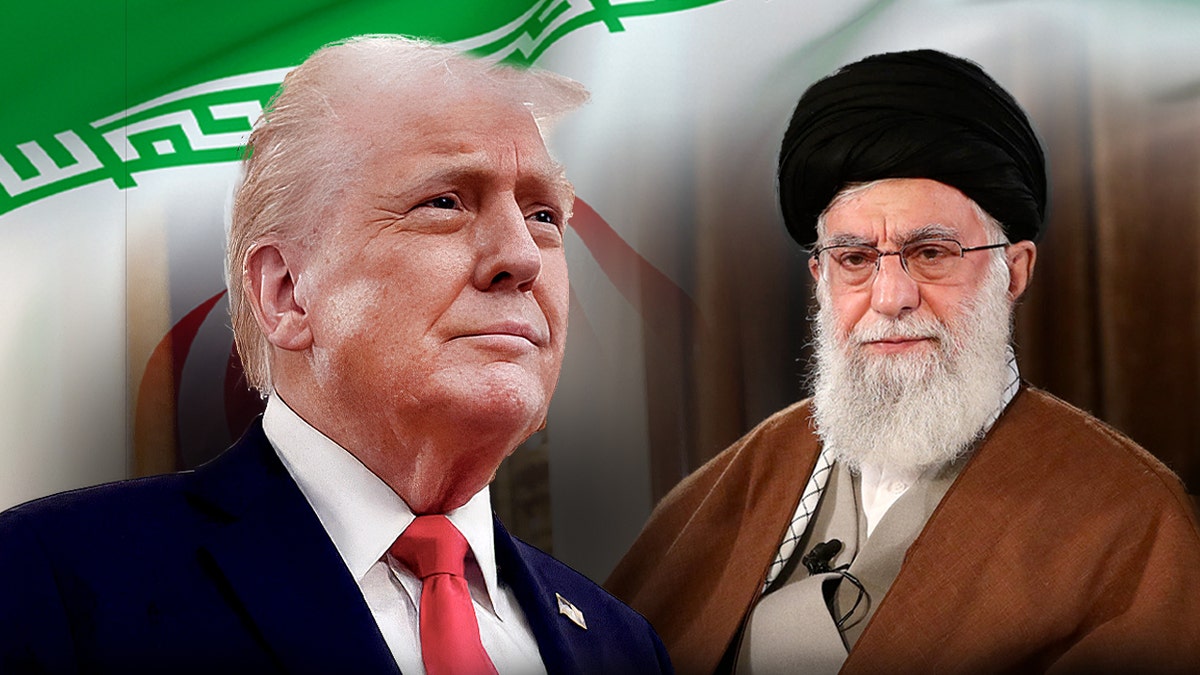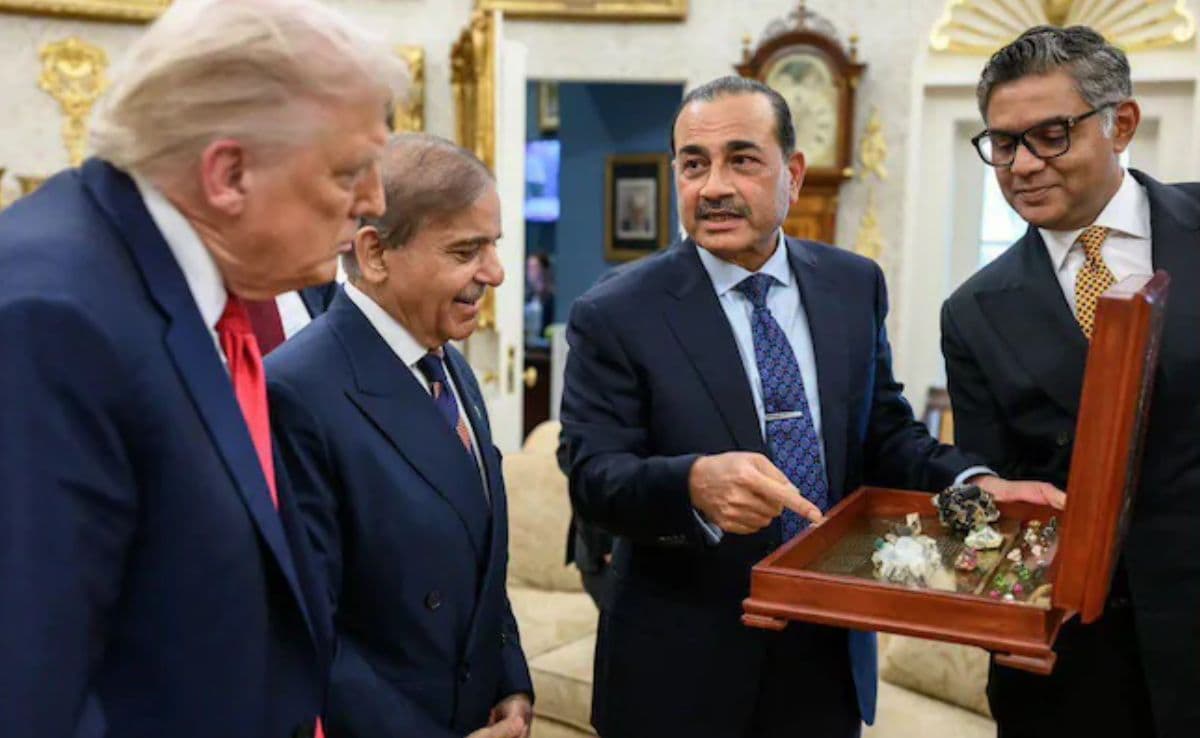
Donald Trump does not typically share the spotlight, yet his recent public embrace of Pakistan’s top brass signals a seismic shift in how Washington manages the Middle East. By creditng Prime Minister Shehbaz Sharif and Army Chief General Asim Munir for a critical two-week ceasefire with Iran, Trump has effectively offshored his most volatile diplomatic challenge to a nation often treated as a pariah in DC.
This is not a gesture of traditional goodwill. It is a cold, transactional calculation. Trump’s endorsement of Munir—whom he has affectionately labeled his "favorite field marshal"—stems from a desperate need for a backchannel that Tehran will actually answer. While the State Department remains bogged down in the mechanics of "maximum pressure," the real movement is happening in Islamabad.
The Field Marshal and the Art of the Proxy
The mechanics of this ceasefire reveal a surprising level of intimacy between the Pentagon and Rawalpindi. General Asim Munir has achieved something his predecessors failed to do: he convinced a second-term Trump administration that Pakistan is not just a regional player, but an indispensable security architect.
During the April 2026 tensions, when the U.S. naval blockade of the Strait of Hormuz threatened to spark a direct kinetic exchange, it was Munir’s direct line to the Islamic Revolutionary Guard Corps (IRGC) that provided the off-ramp. Pakistan shares a nearly 1,000-kilometer border with Iran. This proximity provides Islamabad with a nuanced understanding of Tehran’s internal "fractures"—a term Trump himself used when announcing the ceasefire extension.
The "why" behind Munir's success is rooted in a 2025 white-glove charm offensive. Pakistan spent over $5 million on Washington lobbyists and even took the extraordinary step of nominating Trump for the Nobel Peace Prize following a brief de-escalation with India. These moves, combined with a White House luncheon—the first of its kind for a non-head-of-state military leader—solidified a personal bond that bypasses standard bureaucratic friction.
Strategic Gains and the Great South Asian Rebalance
For Pakistan, the benefits of this ceasefire go far beyond avoiding a refugee crisis on its western border. By positioning itself as the primary mediator, Islamabad is effectively rewriting its resume for the international community.
- Economic Relief: The naval blockade and regional instability had sent oil prices skyrocketing, a death knell for Pakistan’s fragile economy. By securing a pause, Islamabad buys time to negotiate better energy terms and stabilize its markets.
- The India Factor: This newfound "indispensability" serves as a counterweight to New Delhi. If the U.S. relies on Pakistan to prevent a nuclear-adjacent conflict with Iran, Washington is less likely to apply pressure on Pakistan's internal political strife or its contentious relationship with India.
- Validation of the Military's Role: Domestic critics of General Munir’s political influence now face a narrative where the Army Chief is a global peacemaker. This international validation provides a layer of armor against domestic opposition.
The Iranian Gamble
Tehran’s willingness to play along suggests a deep-seated exhaustion within the Iranian security establishment. Reports indicate that the IRGC is dealing with significant internal dissent, exacerbated by the economic toll of the blockade. Using Pakistan as a "neutral" buffer allows Iran to negotiate without the public humiliation of a direct surrender to "The Great Satan."
However, this reliance on Islamabad is fraught with risk. Critics in Washington, such as those at the Foundation for Defense of Democracies, argue that Pakistan remains a "perfidious ally," pointing to its history with the Taliban. They warn that Munir’s deep ties to the IRGC—dating back to his time as Director General of Military Intelligence—could be a double-edged sword. Is he moderating Iran, or is he shielding them?
The Blockade Stays the Ceasefire Moves
Trump’s strategy is a hybrid of total warfare and high-stakes diplomacy. Even as he praises Sharif and Munir, he has ordered the U.S. military to maintain its blockade. This "pause but squeeze" tactic puts the burden of proof entirely on the mediators.
The ceasefire is currently tied to a 60-day deadline for a new nuclear peace agreement. If Pakistan cannot deliver a unified negotiating position from a "fractured" Tehran, the praise from the Oval Office will evaporate as quickly as it appeared. Trump has already hinted that his patience is tied to the submission of a "consolidated proposal."
The Islamabad meeting on April 11-12 ended without a formal signature, yet the silence of the guns persists. This suggests that the real work is happening in private residences and secure military facilities, far from the cameras. Pakistan has successfully transitioned from being a "sideshow" in Trump’s first term to the pivotal hinge upon which the peace of the Middle East now swings.
The world is watching to see if the "favorite field marshal" can actually bridge the gap between a vengeful Washington and a cornered Tehran. If he fails, the resulting explosion will likely consume the very leverage Pakistan has worked so hard to build.