The High-Yield Fan Elasticity Model
Adverse operational disruptions—such as severe weather phenomena or last-minute mechanical cancellations—typically depress conversion rates and foot traffic in experiential retail. However, hyper-monetized intellectual property (IP) ecosystem events present an inverted price elasticity curve. When adverse weather coincides with venue operations, casual foot traffic vanishes entirely, isolating an elite cohort of core brand zealots whose average order value (AOV) scales inversely with comfort.
The commercial resilience observed during high-density pop-up events reveals a structural shift in modern consumer behavior: the transition from passive media consumption to high-stakes micro-arbitrage and identity investment.
Deconstructing the Three Pillars of IP Monetization Velocity
To understand why severe weather conditions fail to curtail total transaction volume during disrupted IP events, the revenue engine must be dissected into three distinct psychological and operational mechanics.
1. Inelastic Scarcity Arbitrage
When product catalogs feature location-bound or event-exclusive inventory, the consumer decision framework shifts from discretionary purchasing to asset acquisition.
- Primary Demand: Direct emotional utility derived from owning character-branded merchandise.
- Secondary Market Arbitrage: Secondary market dynamics create an implicit hedge against entry costs. High resale margins on limited-edition items transform spenders into yield-seeking operators, rendering weather-related friction negligible relative to potential gross margin.
2. Sunk Cost Acceleration
Participation in high-demand IP activations requires upfront non-monetary capital: time spent navigating reservation platforms, managing time-slot lotteries, and executing transportation logistics.
$$\text{Perceived Friction Risk} = \frac{\text{Weather Intensity}}{\text{Sunk Logistics Investment} + \text{Exclusive Opportunity Value}}$$
As weather conditions degrade, the perceived value of the outcome must rise to justify the initial non-monetary capital expended. Consequently, attendees convert at higher thresholds, increasing aggregate spend to rebalance their personal return on effort.
3. Identity Realization and Social Validation
Physical presence under adverse conditions functions as a costly signaling mechanism within fan subcultures. Purchasing at maximum capacity under operational stress validates membership in the inner circle of the brand's community, amplifying post-purchase utility on digital social platforms.
Operational Mechanics of Event Risk Mitigation
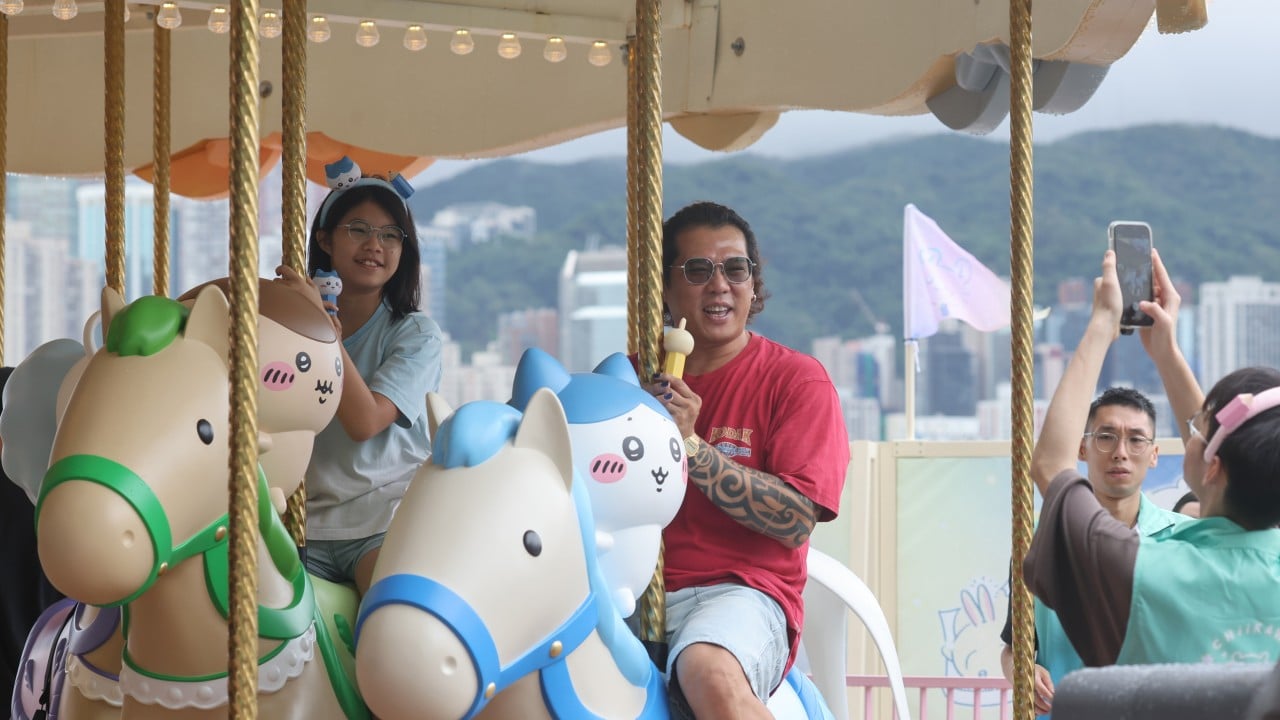
When logistical components (such as mechanical rides, open-air installations, or outdoor photo-ops) face forced shutdowns due to environmental safety protocols, event operators execute contingency monetization protocols to preserve gross merchandise value (GMV).
| Operational Challenge | Standard Retail Impact | IP Engine Mitigation Strategy |
|---|---|---|
| Partial Attraction Cancellation | Ticket refunds, reduced dwell time, severe brand dilution. | Rerouted Foot Traffic: Reallocation of queue capacity directly into enclosed retail zones. |
| Severe Weather Warnings | Drop in foot traffic, inventory transport risk. | Filter Effect: Replaces window-shoppers with high-intent core buyers, increasing sales conversion rate to near 100%. |
| Purchasing Bottlenecks | Abandoned transactions, high operational friction. | Per-Capita SKU Caps: Enforced purchase limits per transaction ticket to create artificial scarcity and accelerate decision speeds. |
The structural shift from outdoor experiential activation to indoor retail processing compresses the funnel. Consumers who would otherwise distribute their time between non-monetized interaction (photo opportunities) and purchasing are forced exclusively into high-density retail corridors.
Strategic Play: Optimizing Capital Extraction in Experiential Retail
To capitalize on the asymmetry between consumer commitment and environmental friction, experiential event managers must restructure operations around extreme customer lifetime value (LTV) cohorts rather than volume optimization.
- De-risk Attraction Interruption via Dynamic Credit Conversion: Rather than offering flat cash refunds during operational closures of mechanical or outdoor features, automatically convert entry credentials into tiered merchandise credit loaded with exclusive redemption privileges.
- Implement Friction-Adjusted Tiered Scarcity: Introduce hyper-exclusive, operational-contingency inventory available only during periods of high environmental stress or structural disruption. This monetizes extreme brand zeal while offsetting lost foot traffic volume with heightened AOV.
- Optimize Floor-Space Throughput Ratio: Eliminate low-yield experiential zones in favor of high-throughput inventory distribution channels whenever queue densities hit critical thresholds, ensuring maximum sales density per square foot.