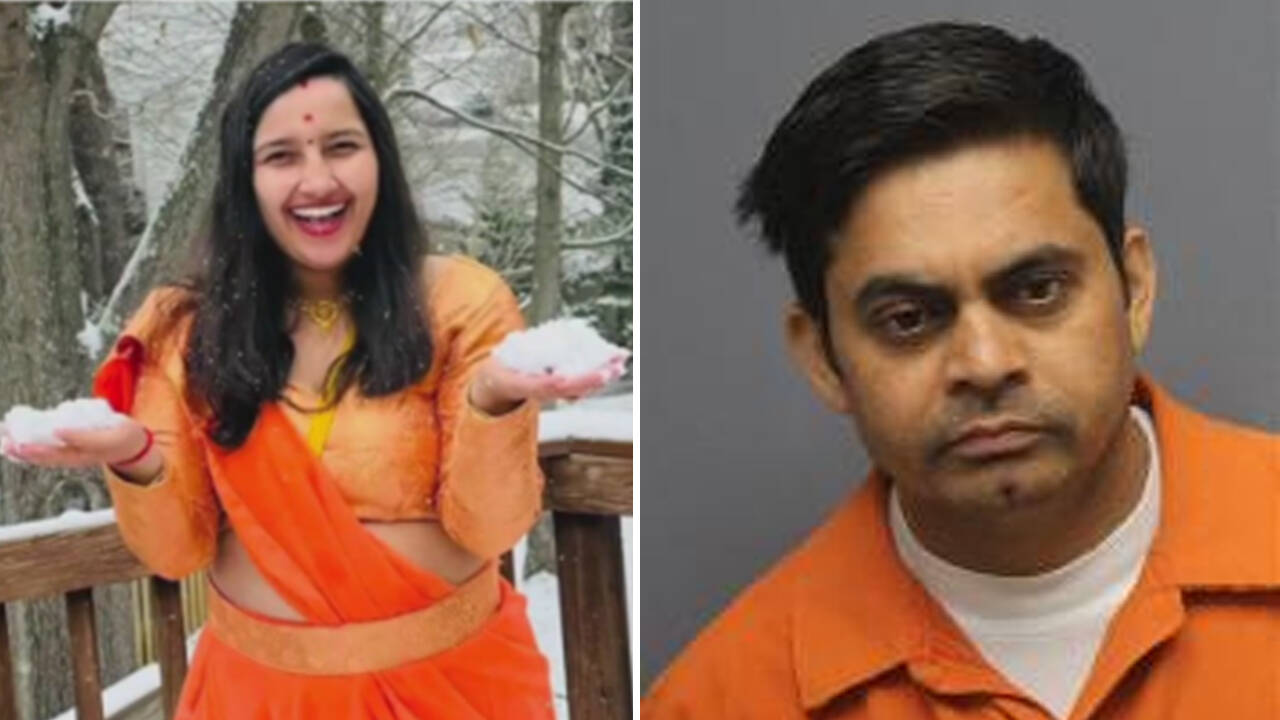
You don't just forget a story like Mamta Kafle Bhatt's. The young registered nurse and mother vanished from her Manassas Park, Virginia home in late July 2024. For nearly two years, the haunting reality of a "nobody" murder case has hung over the community. Cops and prosecutors have been grinding away, trying to piece together a horrific puzzle without the central piece of evidence.
Now, a major break just surfaced. Meanwhile, you can explore related events here: The Pen and the Matchstick.
Newly unsealed court documents from late May 2026 reveal that forensic investigators found human hair on a saw seized from the home Mamta shared with her husband, Naresh Bhatt. Specifically, the lab analyzed three human hairs and 13 human hair fragments. While those 13 fragments aren't usable, the three intact human hairs are suitable for nuclear DNA testing.
This isn't just a minor update. It is a massive development that could completely anchor the prosecution's theory before the trial kicks off. To see the full picture, we recommend the detailed article by TIME.
What the Saw Tells Us About the State's Case
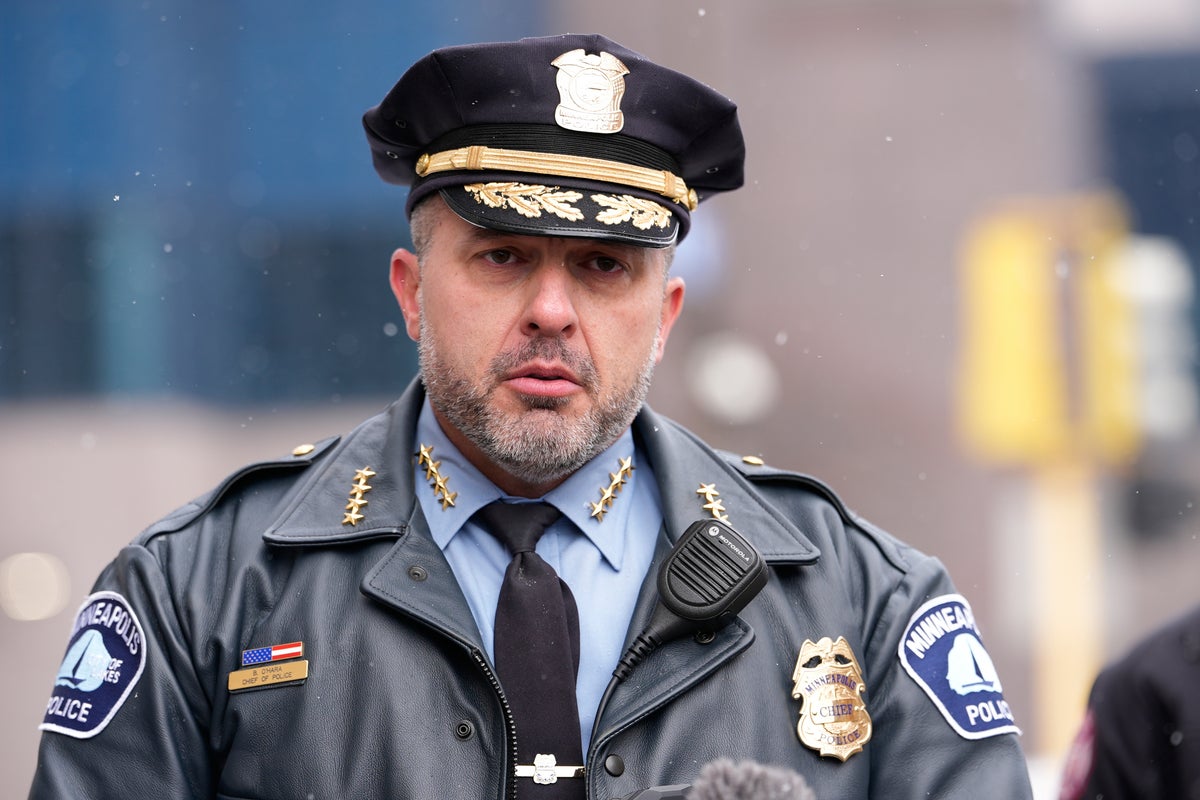
Let's look at what this actually means. Prosecutors have long alleged that Naresh Bhatt killed his wife inside their home, dismembered her body, and disposed of her remains across multiple trash sites in Northern Virginia. Manassas Park Police Chief Mario Lugo frankly admitted that because of how trash is processed, her physical remains might never be found.
That is why this saw is so crucial.
Prior forensic sweeps already found blood on that power saw. Testing could not rule out Mamta's DNA, but it wasn't a definitive, slam-dunk match. Hair, however, offers a different kind of biological blueprint. According to forensic experts, finding three hairs suitable for nuclear DNA testing is more than enough to map out a distinct profile.
The lab is currently comparing these strands against biological material recovered from Mamta's personal hairbrush. If it's a match, the defense's job becomes nearly impossible. It directly ties her genetic material to an implement of dismemberment.
The Web of Deception and the Timeline of Disappearance
If you look back at how this case unfolded in 2024, the timeline is chilling. Mamta was last seen at UVA Health Prince William Medical Center on July 27, 2024. She posted a TikTok video with her infant daughter on July 28 and spoke to a friend. Then, absolute silence.
When she missed her hospital shifts on August 1 and 2, concerned coworkers called the police for a welfare check. What did Naresh Bhatt do? He told the cops she wasn't missing. He claimed she was just visiting family in Texas or New York. The problem? Mamta didn't have family there. Her entire family lived in Nepal.
He waited until August 6 to officially report her missing, shifting his story about when he last saw her. He even went on local TV news, pleading for her return and claiming she had run off before.
But while he was playing the worried husband on camera, his actions behind the scenes painted a completely different picture. Investigators found that right around the time she vanished, Naresh bought three knives. He bought heavy-duty cleaning supplies. In the days leading up to his arrest on August 22, 2024, he sold his Tesla, tried to fast-sell their house, and packed up his and his daughter's belongings. Their passports were ready to go.
Cops arrested him just before he could leave.
The Long Wait for Justice in 2026
It's been a painfully slow process for Mamta's family and the local Nepali community. Naresh Bhatt faces charges of first-degree murder, concealing a dead body, and physically defiling a dead body.
A lot of people expected this trial to wrap up quickly. Instead, it faced massive delays. The defense team argued they were buried under a mountain of digital evidence—more than 4,000 individual pieces turned over by the state. Because of the sheer volume of discovery and the severity of a life-sentence allegation, the defense waived the right to a speedy trial.
The jury trial is officially on the docket for October 2026, with pre-trial dates hitting in September. It's expected to last up to seven weeks.
Waiting over two years for a trial while the suspect sits in jail is rare, but prosecutors wanted to ensure no procedural errors could trigger a future appeal. They are building an airtight wall of circumstantial and forensic data.
What Happens Next
The immediate next step rests with the Forensic Biology Section. Scientists are running the nuclear DNA analysis on those three hair strands.
An ex-parte hearing held in late May 2026 indicates that both sides are aggressively locking down their expert witnesses and non-resident subpoenas behind closed doors. We'll likely see the results of these DNA comparisons leak into public court filings as the September pre-trial hearings approach.
If you want to support the ongoing efforts for Mamta's family, community groups regularly hold domestic violence awareness events and vigils outside the Prince William County courthouse in Manassas. Keeping her story visible ensures that even without a body, the pressure for a definitive resolution doesn't fade before the October trial.