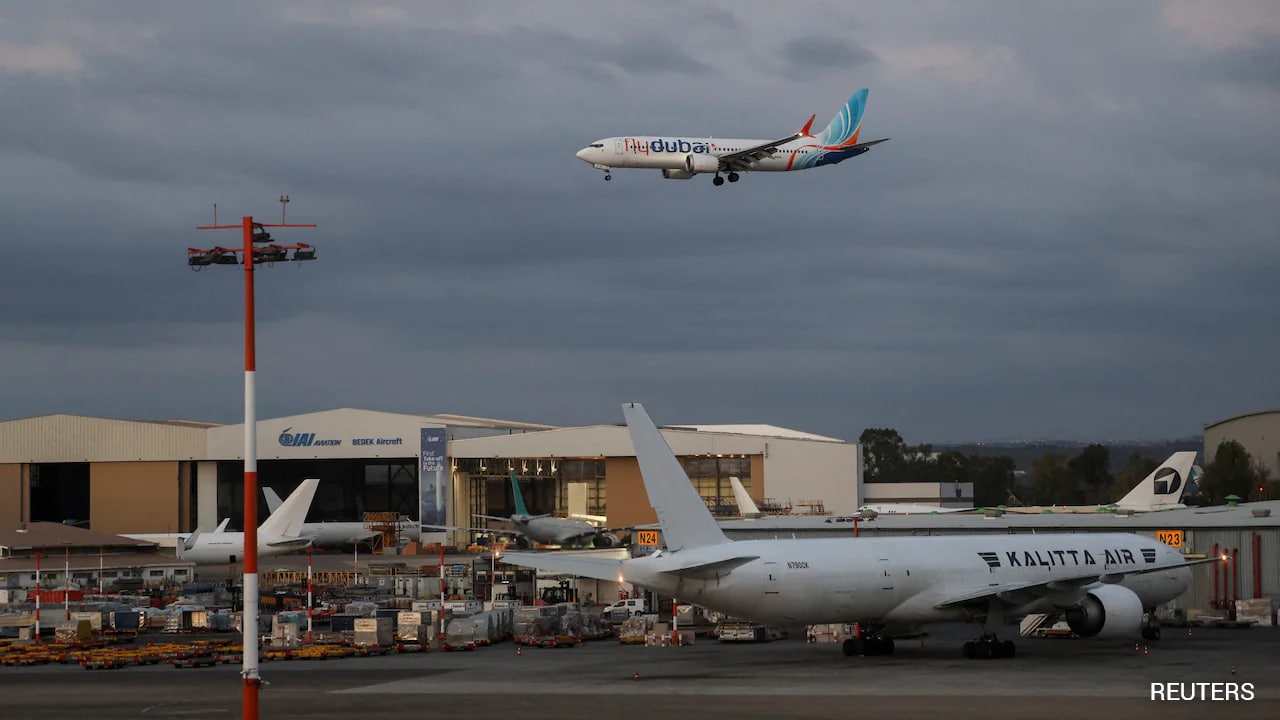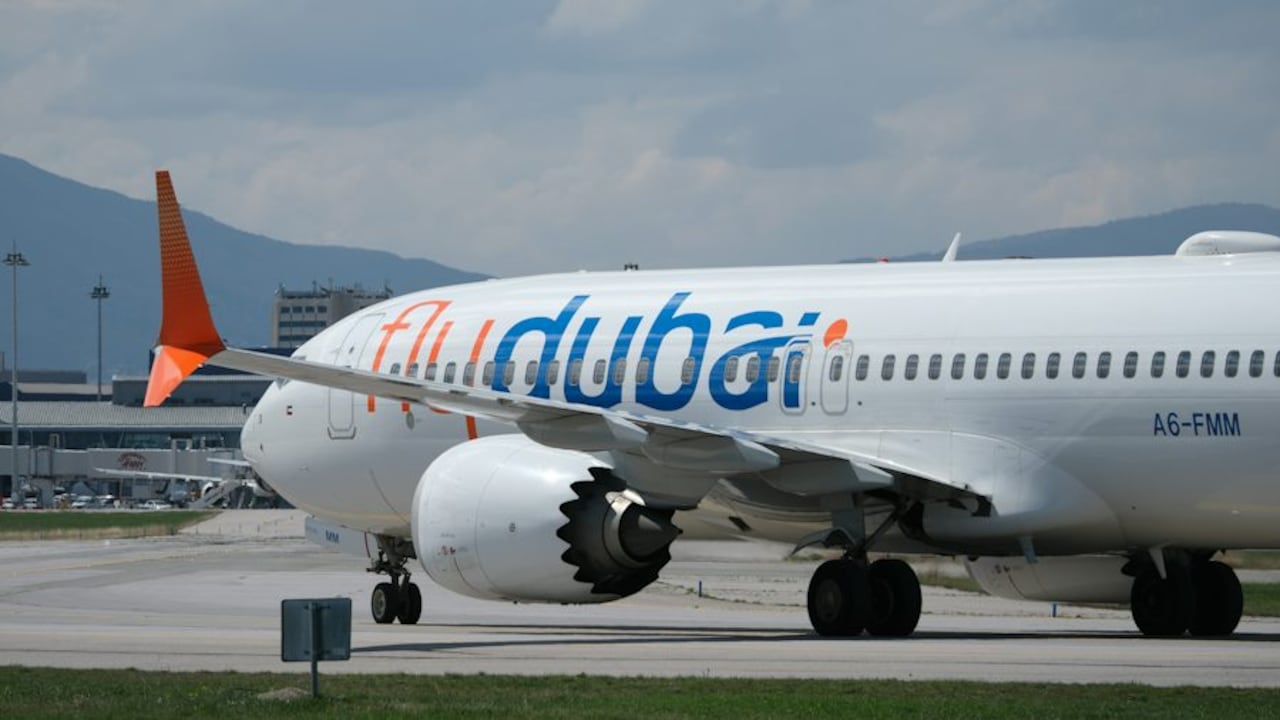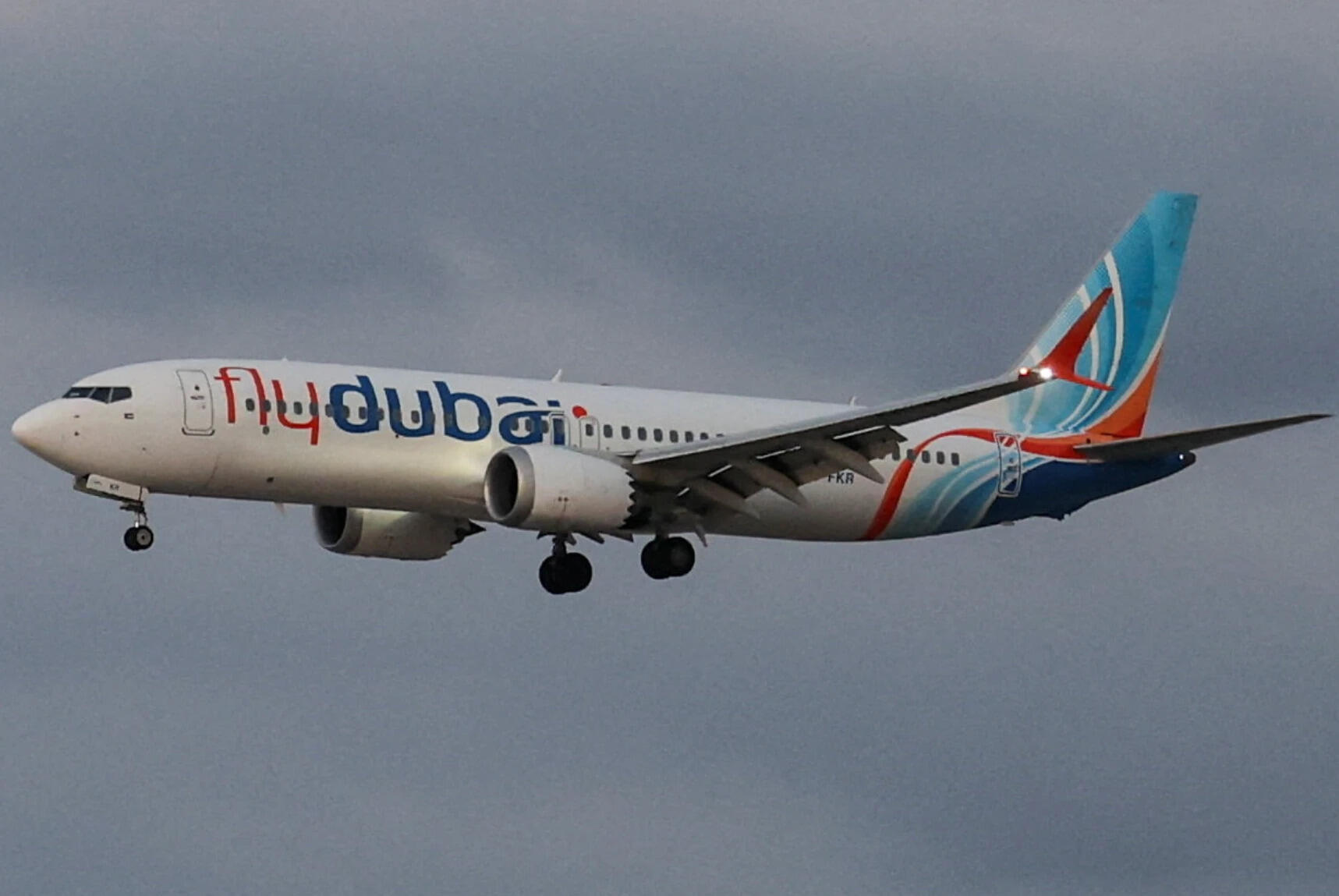
The headlines screamed about a catastrophic intelligence failure. Pundits hyperventilated over Oman's state carrier parking jets on Israeli tarmac despite official diplomatic prohibitions. Social media defense analysts scrambled to map out conspiracy theories involving backroom weapon sales, covert intelligence exchanges, and administrative negligence at Ben Gurion Airport.
Everyone missed the plot.
This was never a security lapse. It was the predictable friction of commercial aviation intersecting with messy regional realities, wrapped in administrative theater. When you peel back the breathless journalism, the entire narrative collapses under the weight of basic logistics.
Let us dissect why the panic over Omani cockpit crews touching down in Tel Aviv reveals a fundamental misunderstanding of how the Middle East actually functions behind closed boardroom doors.
The Lazy Consensus on Regional Sovereignty
The mainstream media relies on a cartoonish view of geopolitical borders. The common narrative paints the Middle East as a collection of airtight isolation cells where flags dictate every single wheel rotation on a Boeing 737. If Country A bans Country B, nobody crosses the line. Period.
That is not how global aviation operates.
Aviation is built on wet-leasing, charter operations, maintenance routing, and cargo logistics that care very little about political posturing. Commercial airlines do not fly empty seats or abandon lucrative charter contracts because a bureaucrat in Muscat wants to make a point on Twitter.
When planes require heavy maintenance, avionics overhauls, or emergency ferry flights, they go to the facilities capable of servicing them. Tel Aviv has long housed specialized technical infrastructure that regional carriers utilize when supply chains pinch. Turning a blind eye to a logistical necessity is an old diplomatic art form.
I have watched compliance officers spend weeks drafting internal memos about regulatory compliance while their operational teams quietly route aircraft through prohibited airspace because the alternative is millions of dollars in grounded inventory. Theory is neat. Revenue and safety are ruthless.
Dismantling the Intelligence Failure Myth
People assume that a foreign pilot landing in Israel represents an unvetted security risk. This assumes Ben Gurion Airport operates like a sleepy rural airstrip where anyone can park a commercial jet without the Shin Bet knowing the shoe size of the co-pilot's third cousin.
Israel possesses one of the most obsessive, layered airspace monitoring apparatuses on the planet. To suggest that a dozen Omani pilots slipped through security cracks due to an administrative oversight is insulting to Israeli counter-intelligence.
The pilots did not parachute into the Negev under the cover of night. They filed flight plans. They communicated with air traffic control. They utilized established corridors.
The real story is not that Israel missed them. The real story is that Israel let them in because the intelligence establishment understood a fundamental truth: keeping regional supply chains and aviation links functional, even quietly, serves a stabilizing purpose that loud, performative bans destroy.
National security agencies routinely grant exemptions to commercial operators when economic or logistical pressure mounts. The error lies in assuming that official government rhetoric matches tactical execution down to the letter. It never does.
The Cost of Performative Outrage
Why do governments maintain bans while quietly granting exceptions? Because domestic politics demand theater, but economic survival demands pragmatism.
Oman has historically played the role of the quiet mediator in the Gulf. Muscat prides itself on maintaining diplomatic channels with everyone from Tehran to Washington to Jerusalem. When commercial ties brush up against political bans, friction is inevitable.
If you penalize airlines for utilizing the most efficient technical stops or leasing assets across borders, you punish the wrong actors. You starve the supply chain of common-sense agility.
Look at how international logistics actually move. Shipments change flags mid-ocean. Aircraft change livery in hangars halfway across the globe. Crew members fly for operators registered in neutral jurisdictions while maintaining home-country passports.
Trying to force strict ideological purity onto a globalized aviation network is like trying to nail jelly to a wall. You end up with a mess, sore fingers, and nothing to show for your effort.
The Uncomfortable Truth About Backchannel Pragmatism
The contrarian reality is this: the normalization of relations in the Middle East was never going to happen via a single grand signing ceremony on a White House lawn. It happens in grease-stained maintenance hangars, through quietly renewed contracts, and via pilots landing planes where politicians claim they are not allowed to be.
If you are losing sleep over Omani flight crews touching down in Israel, you are paying attention to the script meant for the public gallery while ignoring the play happening on the actual stage.
Stop looking for conspiracies where mundane operational necessity is the sole culprit. The pilots flew because the planes needed to move, the infrastructure existed to handle them, and the security apparatuses involved decided that looking the other way was vastly superior to starting a diplomatic fire over a non-issue.
Next time a headline warns you of a massive oversight, ask yourself who benefits from pretending the system is broken when it is merely functioning exactly as designed behind the curtain.