The light in a kitchen in Shiraz does not just illuminate a stovetop. It is the fragile, humdrum thread that connects an ordinary family to a sense of safety. When the power goes out, the hum of the refrigerator dies, the streetlights vanish, and the silence of a city waiting for the next detonation becomes deafening.
For months, ninety million people have lived under the shadow of a fluctuating conflict. Now, that shadow has grown longer, darker, and infinitely more personal. If you liked this article, you might want to check out: this related article.
What began as a chess match over international waters and oil tankers has evolved into an explicit threat against the very grid that keeps civilian life functioning. On Tuesday, President Donald Trump escalated the high-stakes standoff with Tehran, issuing a chilling ultimatum. The message was unambiguous: return to the negotiating table, or prepare to watch the nation’s power plants and bridges burn.
This is no longer just a war of military attrition. It is a direct threat to the basic infrastructure of human survival. For another angle on this event, see the latest coverage from The Guardian.
The Pivot in the Pinch Point
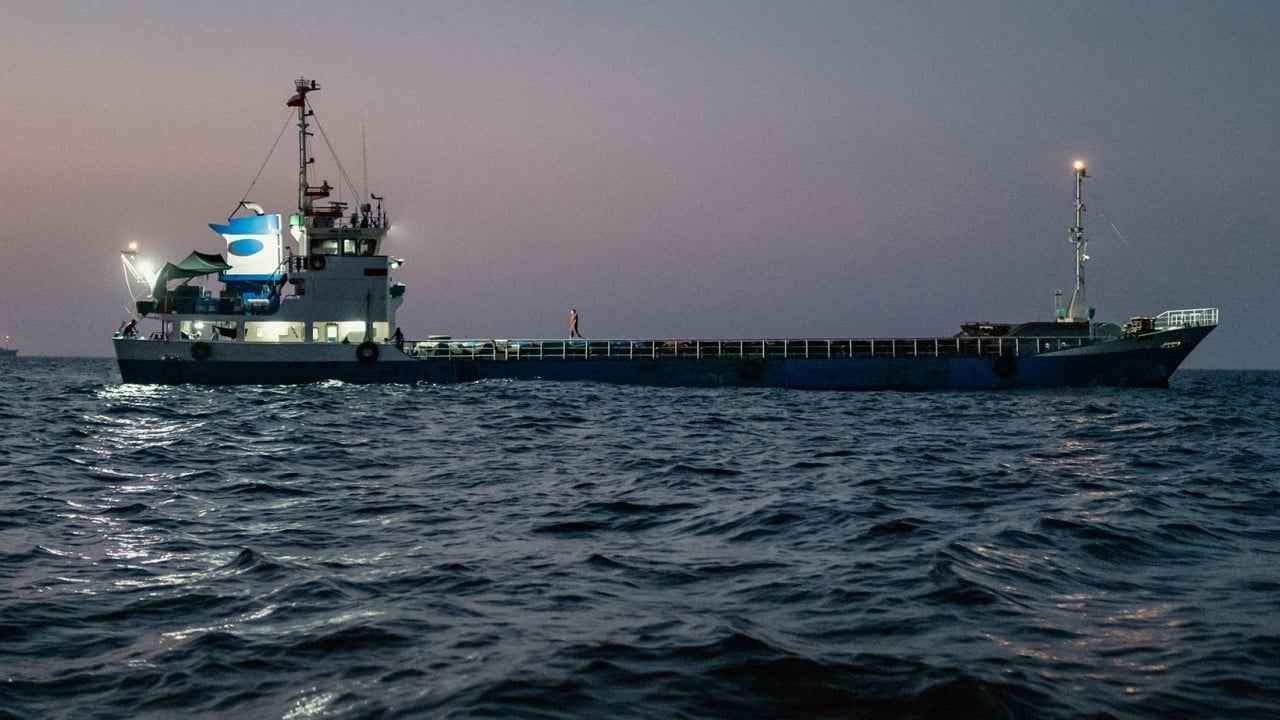
To understand how we arrived at the brink of systemic blackouts, we have to look at a narrow, twenty-one-mile stretch of water. The Strait of Hormuz is the world's most vital choke point, a maritime artery through which twenty percent of global oil and liquefied natural gas flows.
Control this bottleneck, and you control the economic pulse of the planet.
Just days ago, the Trump administration floated a radical proposal to establish a U.S.-enforced blockade and charge commercial vessels a twenty percent toll for "safe passage" through the strait. It was a stunning departure from centuries of maritime tradition and international law, which dictate that such waterways must remain free and open to all. Experts warned of an immediate oil shock; the global shipping industry shuddered at the prospect of paying tens of millions of dollars per transit.
Then came the U-turn.
Just five hours before the toll was set to take effect, the policy evaporated. The administration announced it was scrapping the levy, citing "highly productive conversations" with Middle Eastern leaders, replacing the immediate shipping tax with promised investments and trade deals from Gulf Arab states.
But the retreat on tolls did not signal a de-escalation. Far from it.
While the shipping lanes might have escaped a direct financial tax, the pressure on the Iranian mainland was immediately, drastically dialed up.
Shifting Targets: The Human Cost of Infrastructure Warfare
When a bridge is destroyed, it is not just concrete and steel that falls into the water.
Consider a hypothetical doctor in Karaj trying to reach a hospital on the other side of a river, or a farmer unable to bring fresh produce to a market because the highway has been severed. When a power grid is systematically dismantled, water treatment facilities fail. Incubators in hospitals go cold. Dialysis machines stop.
Under international humanitarian law, civilian infrastructure is protected. Directly targeting facilities indispensable to the survival of the civilian population—like power stations and water plants—is widely recognized as a violation that constitutes a war crime. Yet, the rhetoric coming from the Oval Office bypassed these legal frameworks entirely.
"Next week it gets really bad for them," Trump warned in a Fox News broadcast, describing the planned progression of military strikes. "Next week comes the power plants. Next week comes the bridges. We're going to knock out all their power plants. We're going to knock out all their bridges unless they get to the table and negotiate."
The justification offered is simple leverage—the belief that the only way to force a recalcitrant adversary into a permanent truce is to make the domestic pain of holdout too great to bear. The administration insists it is taking care to limit direct civilian casualties.
But you do not need to drop a bomb on a home to shatter a life.
Taking away the electricity that keeps the water clean and the food cold accomplishes the same goal, only slower, and on a far more devastating scale.
The Broken Truce and the Escalation Loop
This latest spiral of hostility did not happen in a vacuum. It represents the spectacular collapse of the fragile Pakistani-mediated ceasefire signed on June 17.
For a brief moment, there was a lull. A memorandum of understanding offered a sliver of hope that a permanent diplomatic exit could be found. But in a region where trust is a depleted resource, the agreement disintegrated almost as soon as the ink dried.
First came the mutual accusations of bad faith. Then came the physical exchanges. The U.S. military launched waves of daytime airstrikes on southern Iranian port cities, ostensibly to degrade Tehran's ability to threaten commercial shipping. In response, Iranian forces and their regional allies retaliated, targeting commercial tankers and launching strikes toward facilities hosting U.S. forces in Bahrain and Jordan.
It is a classic escalation loop. Each side views its own actions as defensive and the other's as entirely provocative.
As negotiators scramble behind the scenes, exchange messages, and try to salvage the remnants of a diplomatic track, the clock is ticking. The threat of darkness hangs over millions of ordinary citizens who have no say in the geopolitical maneuvering of their leaders, but who will pay the ultimate price if the lights go out.
The war of words has already transformed the physical reality of the region. Airlines are rerouting flights away from Gulf airspace, and oil markets remain on a knife-edge. But the true measure of this conflict is not found in the price of a barrel of Brent crude, nor is it found in the shifting percentages of maritime tariffs.
It is found in the quiet, mounting terror of families watching the evening news, wondering if next week the switches on their walls will cease to do anything at all.