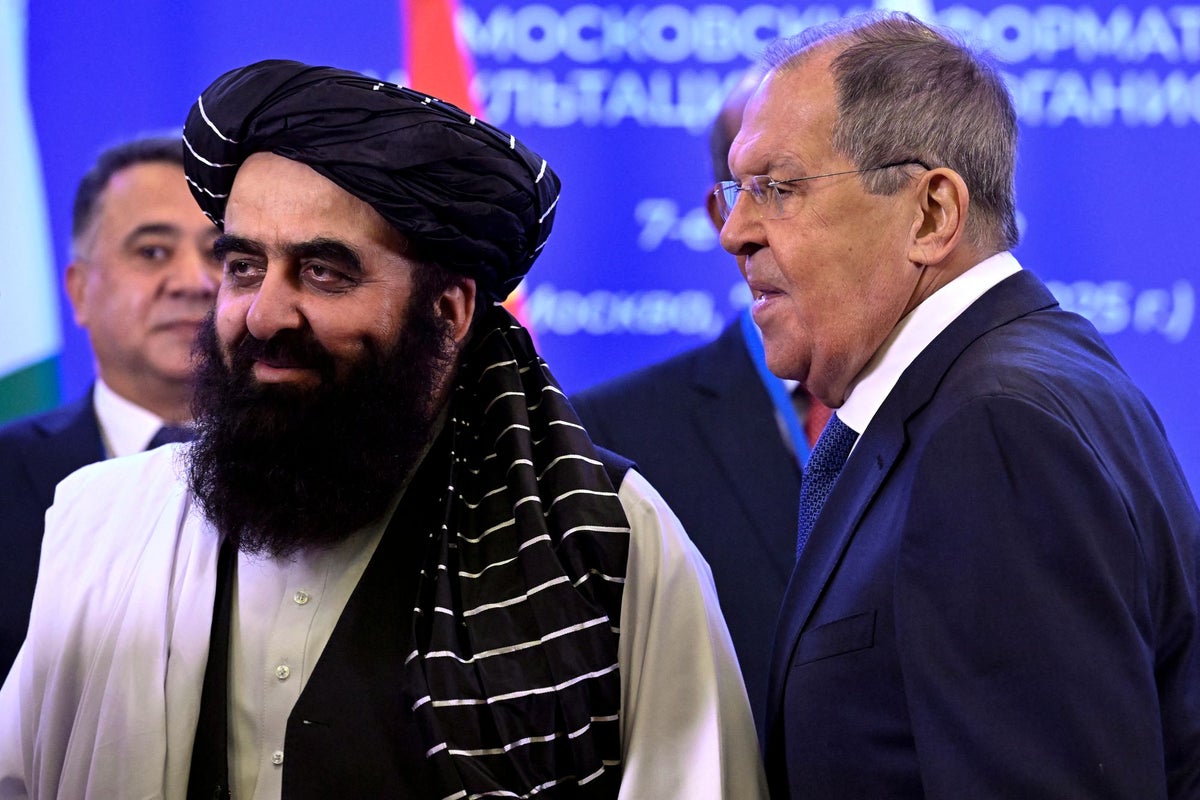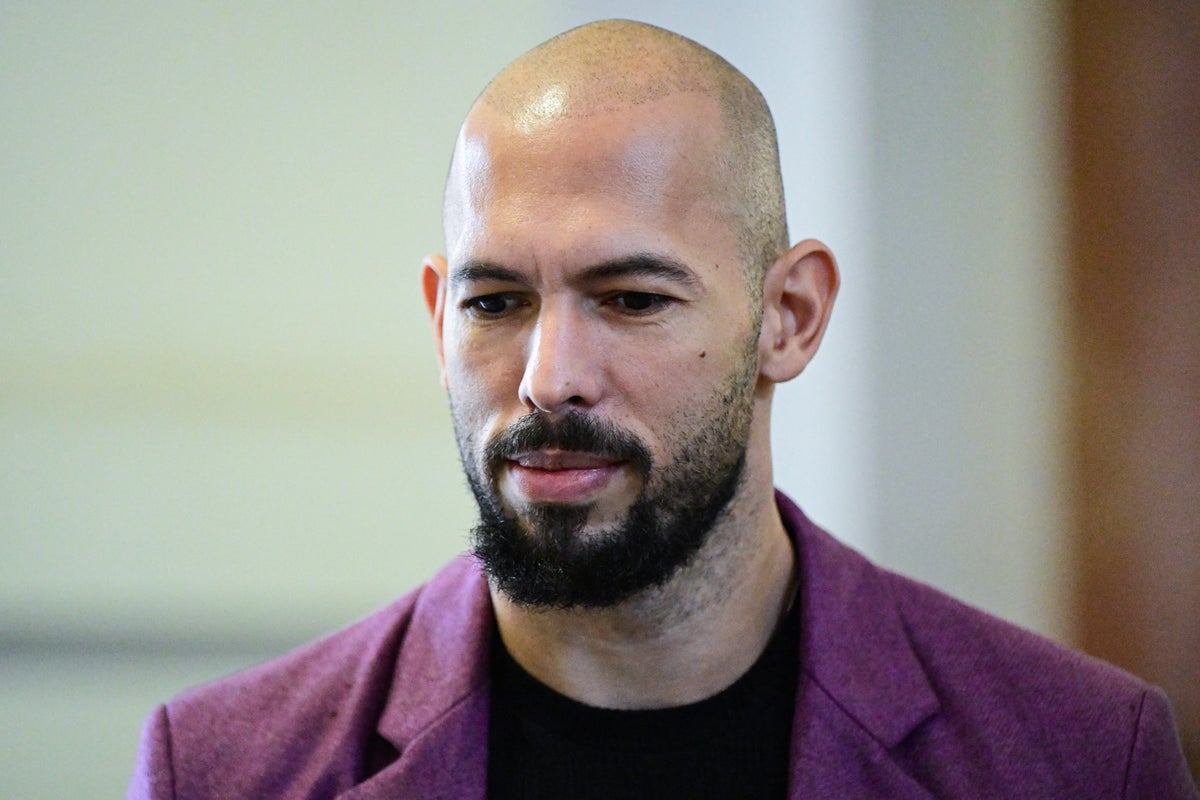
Romanian prosecutors have expanded their criminal investigation into Andrew Tate, tacking on charges of instigating hatred and discrimination against women. The development, handed down by the anti-organized crime prosecuting unit (DIICOT), marks a distinct shift in the state's legal strategy against the online personality. For over three years, Bucharest authorities have attempted to pin the former kickboxer down on heavy, physical crimes, including human trafficking, rape, and forming an organized criminal group to sexually exploit women. By introducing ideological speech violations into a portfolio already bogged down by procedural delays, prosecutors are changing the fundamental nature of the legal battle.
The new charges specifically target a series of public speeches and podcast episodes broadcasted between 2021 and 2024. According to DIICOT, Tate used his massive digital footprint to deliberately incite the public toward misogyny and gender-based discrimination. Tate quickly dismissed the escalation on social media, branding the investigation an assault on free speech and claiming he is being indicted for mere jokes made during his podcasts.
But reducing this to a simple debate over offensive jokes misses the broader picture.
The Strategic Shift in Bucharest
To understand why Romanian prosecutors are introducing speech-related charges now, one must look at the gridlock consuming the primary human trafficking case. Arrested in December 2022, the Tate brothers have successfully used the Romanian legal system to their advantage, dragging out the preliminary chamber process for years. The Bucharest Tribunal ruled that the trafficking case met legal criteria for trial, but defense attorneys have continually chipped away at the prosecution's foundation.
Judges previously ordered the removal of certain key evidence, including specific witness testimonies and statements made by the brothers during initial interrogations. The procedural victories for the defense culminated in a court lifting all preventative judicial control measures, effectively granting the Tates freedom of movement while they await an unscheduled trial date.
By launching an investigation into continued incitement to hatred or discrimination, DIICOT is diversifying its legal portfolio. Physical crimes like human trafficking demand an extraordinarily high burden of proof, requiring clear evidence of coercion, financial control, and forced labor. Speech crimes in Europe operate under a completely different framework.
+-----------------------------------------------------------------------+
|                       ROMANIAN LEGAL FRAMEWORK                        |
+-----------------------------------------------------------------------+
|  HUMAN TRAFFICKING CHARGES             |  HATE SPEECH ALTERNATIVE     |
|  - High burden of physical proof       |  - Documented public media   |
|  - Dependent on vulnerable witnesses   |  - Concrete digital trail    |
|  - Susceptible to defense delays       |  - Clear statutory baseline  |
+-----------------------------------------------------------------------+
Proving that public broadcasts caused public degradation or hostility against a protected class relies entirely on recorded media. The evidence does not hide in encrypted messaging apps or depend on the volatile testimony of reluctant witnesses; it sits on public servers, archived by millions of followers.
Monetized Misogyny as an Infrastructure
The focus on Tate’s speeches from 2021 to 2024 hits at the exact mechanism that built his empire. His rhetoric was never just a byproduct of his fame. It was the business model.
Independent research into Tate's digital ecosystem shows his operation functioned through a highly organized affiliate network. Members of his online academy, historically known as Hustler’s University, were given financial incentives to cut, package, and distribute highly controversial clips across platforms like TikTok, YouTube, and X. This hyper-aggressive distribution strategy exploited platform algorithms that prioritize high engagement driven by outrage.
The material distributed wasn't subtle. In various recordings cited by watchdog groups, Tate detailed domestic violence scenarios, spoke of imposing physical control over young women, and claimed that wives are essentially a husband's property.
Major platforms eventually banned his primary accounts, but the decentralized network of fan accounts kept the content circulating. YouTube channels dedicated to syndicating his commentary generated millions of dollars in advertising revenue, benefiting both the platforms and the creators keeping the ecosystem alive. By classifying this ideological output as a criminal offense, Romanian authorities are treating his media apparatus not as an exercise in vanity, but as the foundational infrastructure that facilitated his operations.
The Clash of Western Speech and European Law
Tate’s defense strategy relies heavily on appealing to his predominantly Western, Anglo-American audience. By framing the new indictment as a "speech violation crime" targeting an American citizen, he taps directly into the cultural sanctity of the First Amendment.
That defense holds little water in Eastern Europe. Romania is a signatory to the European Convention on Human Rights, which explicitly permits nations to restrict speech to protect the rights, reputations, and safety of others. Under Article 369 of the Romanian Criminal Code, inciting the public to hatred or discrimination against a category of persons is a punishable offense carrying distinct prison terms.
   [ Anglo-American View ]                  [ European Legal View ]
   Speech is heavily protected              Speech is restricted if it
   even when offensive or hostile.          harms collective public safety.
          \                                         /
           \                                       /
            --> THE DETACHMENT IN TATE'S DEFENSE <--
The argument that his comments were merely performance art or shock humor will face a rigorous statutory test. In Romanian courts, the standard centers on whether the rhetoric created a tangible climate of hostility or systemic discrimination against a group. Prosecutors intend to prove that his monologues directly resulted in a global normalization of misogynistic behavior, citing the widespread replication of his ideology by young audiences worldwide.
The International Logjam
The introduction of hate speech charges adds another layer of complexity to an already tangled international legal battle. The Tates are not just fighting the judiciary in Bucharest; they are facing a multi-front war across Europe and the United States.
- United Kingdom: The Crown Prosecution Service has authorized over twenty separate criminal charges against the brothers, including historical allegations of rape, actual bodily harm, and human trafficking. British courts have also cleared law enforcement to freeze millions in assets to cover unpaid taxes.
- United States: Federal jurisdictions and state authorities, including investigations initiated in Florida, are actively scrutinizing the brothers' financial networks and political ties.
- Romania: A Bucharest court has already ruled that the Tates will be extradited to the United Kingdom, but only after the conclusion of the domestic trial proceedings in Romania.
By expanding the domestic investigation, Romanian authorities are effectively extending their jurisdiction over the brothers. Because the extradition to the UK is explicitly paused until the Romanian legal process is complete, adding complex, speech-based charges guarantees that the Tates will remain tied to Bucharest's legal system for the foreseeable future. Every new charge requires its own preliminary reviews, defense appeals, and evidentiary hearings, further pushing back any potential transfer to British custody.
The strategy carries significant risk for the prosecution. If DIICOT fails to secure convictions on either the trafficking or the hate speech charges, the protracted timeline will look less like a meticulous investigation and more like a desperate attempt to keep high-profile foreigners trapped in a legal labyrinth.
The defense has already proven highly adept at exposing procedural flaws, and an overly broad focus on podcast transcripts could dilute the impact of the physical abuse allegations. Yet, by forcing the court to evaluate the real-world harm of monetized hostility, Romanian prosecutors are attempting to establish a precedent for how modern internet culture is policed on the global stage.
The battle in Bucharest is no longer just about what happened behind closed doors in Ilfov County. It is about the legal boundaries of digital influence.