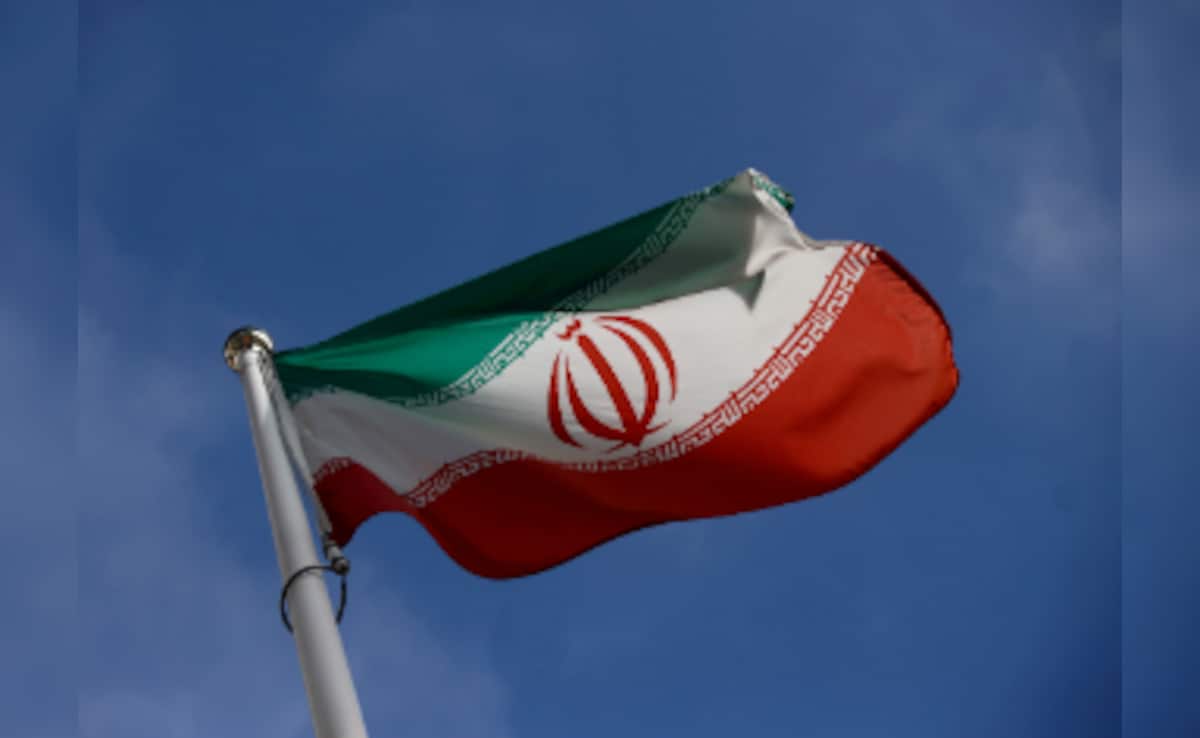
The news coming out of Tehran is grim and, unfortunately, predictable. Iran just executed two men accused of spying for Israel. While the state media paints this as a win for national security, the reality is a lot more tangled. It’s not just about two individuals. It’s about a regime trying to project strength while it feels backed into a corner. You’ve likely seen the headlines, but they rarely capture the full weight of what’s happening on the ground in the Middle East right now.
Why the Timing of These Executions Matters Now
Tehran doesn't do things by accident. Executing people accused of working for Mossad—Israel's intelligence agency—is a specific type of theater. We're currently in a period where the shadow war between Israel and Iran has stepped into the light. These executions serve as a message to both the Iranian public and the international community. Meanwhile, you can explore related developments here: The Geopolitical Cost-Benefit of US Forward Deployment in the UAE.
The Iranian judiciary identified the individuals as Vahid Moradi and Mohammad Khayyam. They were hanged following a legal process that human rights organizations, including Amnesty International, have repeatedly labeled as deeply flawed. According to official reports, these men were allegedly involved in providing sensitive information about Iran's military and nuclear sites to Israeli handlers.
If you look at the calendar, this isn't happening in a vacuum. Iran is currently dealing with internal dissent and a struggling economy. By executing "spies," the government tries to shift the narrative. They want the public to focus on external threats rather than internal failures. It’s a classic move: find a scapegoat, label them a traitor, and use the gallows to silence anyone else thinking of stepping out of line. To see the bigger picture, we recommend the recent report by NPR.
The Mossad Factor and the Intelligence War
Is Israel actually spying inside Iran? Of course. It’s one of the most active intelligence battlegrounds on the planet. Over the last decade, we’ve seen high-profile assassinations of nuclear scientists and sophisticated cyberattacks like Stuxnet. Israel views a nuclear-armed Iran as an existential threat. Consequently, their intelligence operations are relentless.
However, the "confessions" often aired on Iranian state television are widely regarded as coerced. In many cases, these individuals are kept in solitary confinement for months without access to a lawyer. When they finally appear on screen to admit to their "crimes," it’s hard to take the words at face value.
How Iran Defines Espionage
In Iran, the definition of espionage is incredibly broad. It doesn't always mean handing over top-secret blueprints. It can include:
- Contacting foreign journalists or academics.
- Participating in international workshops.
- Having dual citizenship in a "hostile" nation.
- Accessing restricted online databases.
This ambiguity allows the Revolutionary Guard to arrest almost anyone they find suspicious. For the two men executed recently, the charges were "corruption on earth" and "war against God" (moharebeh). These are catch-all legal terms that carry the death penalty and are frequently used against political dissidents.
The US Role in the Escalating Tension
You can't talk about Iran and Israel without talking about the United States. We're seeing a massive buildup of US military assets in the region. Between the aircraft carrier strike groups and the increased drone surveillance, the pressure on Tehran is at an all-time high.
Iran views the US and Israel as a single entity in this conflict. When they execute a supposed Israeli spy, they're also taking a swipe at Washington. It’s their way of saying they won't be intimidated by the presence of US warships in the Persian Gulf. The rhetoric coming from the Supreme Leader’s office has only sharpened, often blaming "Global Arrogance"—their code for the US—for every internal setback.
Domestic Pressure and the Iron Fist
Internally, Iran is still reeling from the "Woman, Life, Freedom" protests. While the streets are quieter now, the resentment hasn't gone away. The regime knows this. Every execution is a reminder of what happens when you cross the state.
Using the death penalty as a political tool is nothing new for the Islamic Republic, but the pace has picked up. Iran executes more people per capita than almost any other country. By framing these latest deaths as a national security necessity against "Zionist agents," they attempt to justify the brutality to their conservative base.
Truth vs Propaganda in State Media
Don't trust the official Iranian news agency (IRNA) reports without a healthy dose of skepticism. They often claim to have dismantled "complex terror cells" or intercepted "sophisticated spy equipment" that looks suspiciously like standard consumer electronics in the photos.
The goal isn't necessarily to prove the crime to the world. It’s to create an atmosphere of paranoia within Iran. If people believe that Mossad agents are everywhere, they’re less likely to trust their neighbors or organize against the government. It’s psychological warfare directed at their own citizens.
What This Means for Regional Stability
These executions are a signal that the hardliners in Tehran have no intention of de-escalating. If anything, they're doubling down. This makes diplomatic efforts—like those occasionally brokered by Qatar or Oman—much more difficult.
When people are being hanged for alleged ties to Israel, it becomes politically impossible for Iranian officials to engage in any kind of meaningful dialogue with the West. It closes the door on diplomacy and leaves only the military option on the table.
The Human Cost of Geopolitics
Beyond the grand strategy and the maps in war rooms, two families just lost their loved ones in a cold, state-sanctioned killing. Whether these men were actually spies or just pawns in a larger game is something we might never truly know. What we do know is that the judicial process in Iran doesn't meet international standards for a fair trial.
If you're following these events, look past the "spy" label. Look at the timing, the internal pressure on the regime, and the broader chess match between Tehran, Jerusalem, and Washington.
Stay informed by checking multiple sources. Don't rely solely on state-run media from any side. Organizations like Iran Human Rights (IHR) and the United Nations regularly release reports on the actual conditions of these trials. Knowledge is the only way to cut through the noise of propaganda.
Keep an eye on the Strait of Hormuz and the borders of Lebanon. As Iran executes more "spies," the likelihood of a miscalculation on the battlefield grows. This isn't just about two men in a prison; it's about a region on the brink.