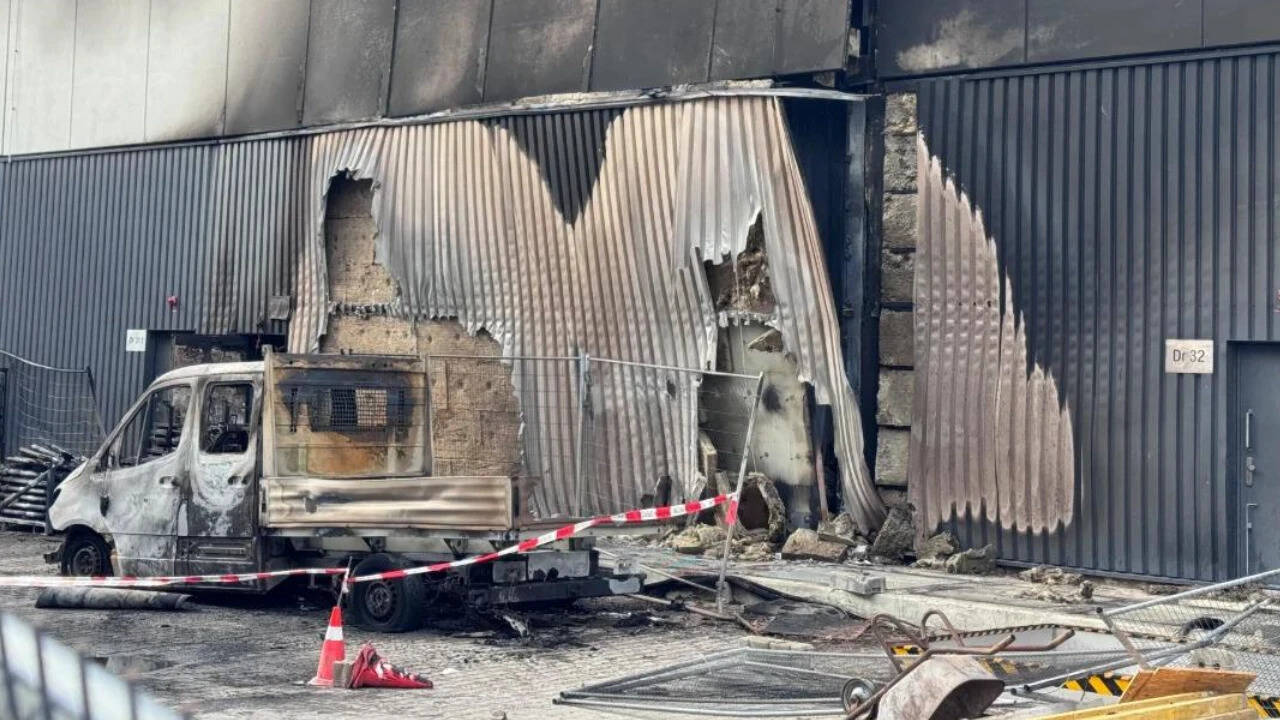
Three young Indians died in a residential fire in Bochum, Germany, on October 13, 2026, and five others were injured after flames cut off the main stairwell of a multi-family building in the Hofstede district. Police and prosecutors later announced the arrest of a 41-year-old Romanian resident on suspicion of murder after fire investigators ruled out a technical fault and began probing possible arson.
Most quick-hit news summaries stop at the headcount and the suspect's nationality. Honestly, that leaves out everything that matters to families trying to make sense of the tragedy or students planning a move to Germany. The victims were three young Keralites—25-year-old Nova Sabu from Idukki, 26-year-old Sivin Johny from Ernakulam, and 27-year-old Anjali Sheela Joy from Kollam—each chasing a different version of a fresh start abroad. Discover more on a connected issue: this related article.
What Investigators Found After the Blaze in Bochum
Emergency crews were called around 4:15 a.m. local time on Tuesday, October 13, 2026, to a residential building on Poststrasse in Bochum's Hofstede neighborhood. Roughly 90 emergency personnel responded to a chaotic scene where fire surged up the building's wooden staircase, choking upper corridors with thick smoke and blocking normal evacuation routes.
Firefighters found the three Indian victims dead inside a second-floor apartment. Five other residents suffered smoke inhalation and went to hospitals in Bochum, with reports indicating at least one Malayali student was in critical condition. Rescuers pulled two people down using a turntable ladder, brought two others out via portable ladders, and caught a fifth resident who jumped onto a high-pressure air cushion. Further journalism by The New York Times delves into related perspectives on the subject.
Bochum police and prosecutors established an investigative commission to examine the building and determine how the fire started. Early findings pointed away from an electrical or mechanical malfunction toward deliberate ignition on the lower levels, though police noted that determining intent and exact responsibility takes time. Homicide detectives questioned a 41-year-old Romanian man living in the building and arrested him on suspicion of murder. Local media also reported an earlier dispute at the property and prior police call-outs, which authorities said appeared unrelated to the fire itself based on initial checks.
Who the Three Victims Were Beyond the Headlines
Reducing three lives to "three Indians" misses why this story hit Kerala and the Indian diaspora so hard. None of them were seasoned expats. They were young adults who had only recently arrived in Germany.
Anjali Sheela Joy, 27, came from Chemmakkad in Kollam district. Trained with a B.Ed. degree, she had sat for Kerala Public Service Commission exams multiple times hoping for a government teaching post at home before moving to Germany in July 2026. While searching for opportunities in education, she worked at a warehouse. Her uncle told reporters the family grew worried when her usual nightly call didn't come through, and a friend in Dubai alerted them to news of the fire.
Nova Sabu, 25, hailed from Kattappana in Idukki district. She arrived in Germany on July 3, 2026, to study and work part-time as a gym trainer, having worked as a fitness trainer in Kerala as well. Relatives described her as energetic and driven, with parents rooted in public service—her father a retired police sub-inspector and her mother a public health nurse. She had traveled to visit Anjali when the fire broke out.
Sivin Johny, 26, from Kalady in Ernakulam district, had been in Germany for roughly two weeks for higher studies and was set to begin work around the week of the fire. His brother Salvin was already in Germany as a nursing student, and his sister Simi lived in Ireland. By October 23, 2026, the mortal remains of all three arrived back at Cochin International Airport following coordination between the Kerala government, NORKA, the Indian Embassy in Berlin, the Consulate General in Frankfurt, and local Malayali associations.
Why Stairwell Fires in Older European Buildings Turn Deadly Fast
If you've ever lived in a pre-war or mid-century European apartment block, you know the layout. Many multi-family buildings in cities like Bochum have narrow internal stairwells—sometimes incorporating timber elements—that act like chimneys once smoke and heat build up.
Here's what people get wrong about apartment fires. Flames aren't the only killer. Carbon monoxide and toxic smoke from burning household plastics and upholstery can disorient sleeping residents in minutes. When a fire starts near the ground floor and rises through a shared stairwell, the exact route people expect to use for escape becomes a trap.
In Germany, residential fire safety rules mandate smoke alarms in bedrooms, hallways, and living spaces across federal states, yet human factors still matter enormously. Late-night arrivals, unfamiliar floor plans, heavy winter windows, or blocked secondary exits all slow down reaction time. Having covered housing and diaspora stories for years, I've seen how newcomers often take the fastest room or shared flat they can afford right after landing—sometimes without checking escape routes or asking basic building-safety questions.
What Students and Families Moving Abroad Should Check Immediately
You can't stop someone else's reckless or criminal act, obviously. Still, practical prep cuts risk when you're settling into a new country under stress.
- Map two exits on day one: Walk the hallway when you move in, even if it's a temporary room. Know where the main stairs lead and check whether windows or balconies can be reached by a fire ladder.
- Verify smoke detectors yourself: Don't assume a landlord's unit is ready. Check that alarms have working batteries and aren't covered or disconnected.
- Keep essentials by your bed: A phone, glasses, key, and small flashlight within arm's reach save precious seconds when smoke fills a room.
- Share a check-in habit and consular contacts: Keep a simple routine with family back home so silence is noticed fast, and save contact details for the Embassy of India in Berlin and the nearest consulate before you need them.
As German prosecutors and police continue their legal and investigative work in Bochum, the families in Kerala are left carrying a loss that no paperwork can fix. Checking your own living space takes ten minutes—and it's one of the most practical habits any newcomer can build.