Energy markets are running on borrowed time. When President Donald Trump announced that a diplomatic breakthrough to reopen the Strait of Hormuz could arrive as early as Wednesday, the global economy let out a collective, nervous breath.
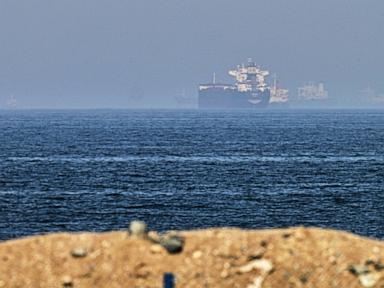
For months, the closure of this vital maritime choke point has choked off roughly one-fifth of the world's daily petroleum supply, sending shockwaves through international markets and driving up fuel costs for everyday consumers. But looking past the daily headlines reveals a much more complex geopolitical standoff between Washington and Tehran.
The Reality Behind the Oman-Iran Talks
Diplomacy rarely moves in a straight line, especially during active military conflict. Recent reports confirm that Iran and Oman have been hammering out a localized framework to establish separate inbound and outbound shipping lanes. Under this emerging proposal, vessels would hug the Iranian-controlled coast on entry and utilize Omani-managed corridors on exit.
Yet, translating diplomatic goodwill into actual tanker movement remains a massive hurdle. Tehran has repeatedly signaled that any sustained reopening of the waterway is contingent upon the complete lifting of the U.S. naval blockade targeting Iranian ports. Meanwhile, Washington faces intense domestic pressure from rising energy costs and dwindling regional munitions inventories as midterms approach.
"It could happen. Tomorrow or the next day. A lot of progress has been made." — U.S. President Donald Trump
Despite optimistic timelines from the White House, regional officials and energy analysts urge caution. The Islamic Revolutionary Guard Corps still maintains operational veto power over hard security measures in the Persian Gulf, meaning provisional agreements can stall overnight.
What This Means for Global Markets and You
When shipping lanes freeze, the impact trickles down instantly. Brent crude benchmarks fluctuated near the $80 per barrel mark as traders weighed potential de-escalation against ongoing threats in the Red Sea and Persian Gulf.
If you are tracking fuel prices, supply chain logistics, or geopolitical stability, keep these factors in mind:
- The Blockade Dynamic: An open strait requires both sides to back down. As long as American naval blockades remain active against Iranian ports, Tehran has little incentive to guarantee unimpeded commercial transit.
- Infrastructure Vulnerability: Clearing sea mines and repairing damaged maritime infrastructure takes weeks, meaning physical oil flows will lag far behind any signed piece of paper.
- The Broader Middle East Spillover: Secondary conflicts involving regional proxies demonstrate that maritime security cannot be isolated to a single narrow channel.
Real solutions require permanent structural stability rather than temporary ceasefire band-aids. Keep a close eye on the verification mechanisms agreed upon by regional mediators rather than focusing solely on initial announcement dates. Watch the actual transit data of crude tankers leaving the Persian Gulf to separate political rhetoric from operational reality.