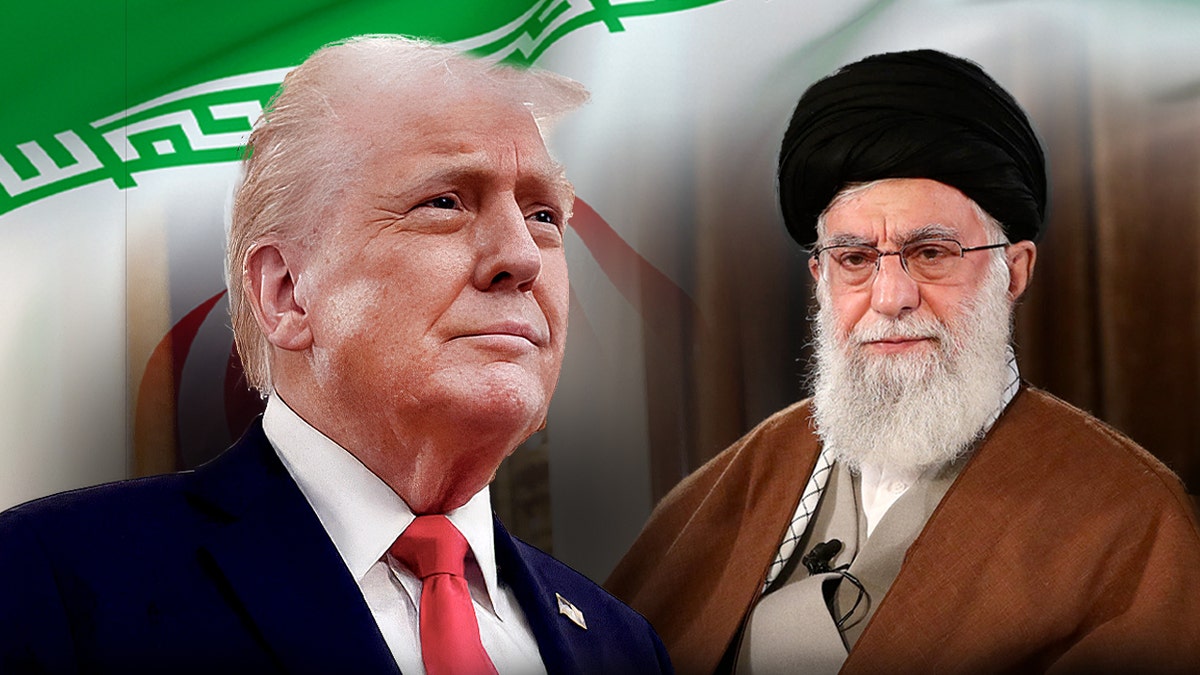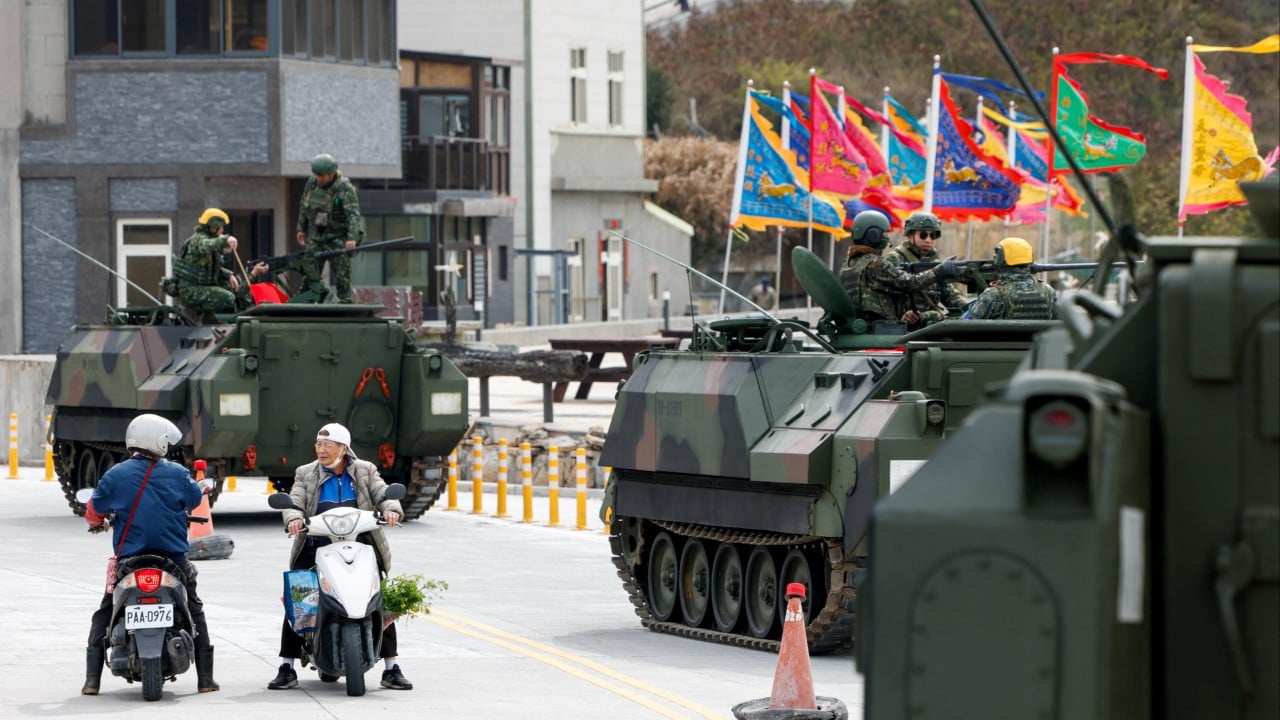
The hand-wringing over Taiwan’s latest polling data is predictable, shallow, and entirely misses the point. Headlines scream about "deep doubts" regarding American protection. Pundits point to Donald Trump’s rhetoric about "protection money" as the death knell for Pacific security. They claim the "Trump effect" is eroding trust in the democratic alliance.
They are wrong.
In fact, the shift from ideological romanticism to cold, hard transactionalism is the best thing that could happen to Taipei. For decades, the U.S.-Taiwan relationship has survived on a diet of "strategic ambiguity"—a fancy term for lying to everyone involved to keep the peace. That era is dead. If the Taiwanese public is feeling nervous, it’s not because the U.S. is leaving; it’s because the terms of the lease are finally being read out loud.
The Myth of the "Shared Values" Shield
Mainstream analysis loves to lean on the "shared democratic values" crutch. It’s a warm, fuzzy narrative that suggests Washington will send carrier strike groups into a meat grinder simply because Taipei holds free elections.
I’ve sat in rooms where regional strategy is actually hammered out. Nobody trades blood for "values." They trade blood for interests.
The "doubt" captured in recent polls isn't a sign of weakness; it’s a sign of maturity. The Taiwanese people are waking up to the reality that a security guarantee based on the whims of the State Department's moral compass is a house of cards. Trump’s blunt demand that Taiwan pay for its defense isn't an insult. It’s a contract. In the world of geopolitics, a contract you pay for is infinitely more reliable than a promise made by a politician seeking a Nobel Peace Prize.
The Protection Money Fallacy
Critics mock the idea of Taiwan paying "protection money" as if it’s a mafia shakedown. Let’s look at the math.
For years, Taiwan’s defense spending hovered around 2% of its GDP. Only recently has it crept toward 2.5% or 3%. Meanwhile, Israel—a country in a similarly existential predicament—regularly hits 4.5% to 5%. If you are an island nation facing a superpower that considers your existence a historical clerical error, spending 2% on defense isn't a strategy; it's a hobby.
When Trump suggests Taiwan should pay more, he’s pointing out a glaring structural flaw: Taiwan has been subsidized by the American taxpayer for so long that its own military readiness has atrophied. The "Trump effect" is a forced cold shower. It forces Taipei to modernize its reserve forces, invest in asymmetric "porcupine" capabilities—like sea mines and mobile anti-ship missiles—rather than vanity projects like high-end fighter jets that would be turned into scrap metal in the first two hours of a blockade.
TSMC is a Better Deterrent Than the Seventh Fleet
The pollsters ask if the U.S. military will show up. They should be asking if the U.S. economy can survive if it doesn't.
Taiwan's true security doesn't lie in the signed papers of the 1979 Taiwan Relations Act. It lies in the "Silicon Shield." By controlling over 90% of the world’s most advanced semiconductor manufacturing, Taiwan has made itself indispensable.
A transactional leader like Trump understands this better than an institutionalist who talks about "global norms." To a businessman, you protect the factory that runs your entire enterprise. If China takes TSMC or levels it, the global economy enters a depression that makes 1929 look like a dip in the market.
The "doubt" in the polls assumes the U.S. has a choice. It doesn't. Whether it's Trump or any other occupant of the Oval Office, the intervention isn't about saving a democracy; it's about preventing the total collapse of Western technological civilization.
The Danger of Strategic Ambiguity
For forty years, Washington has played a game of "maybe we will, maybe we won't." This was designed to keep Beijing from invading and Taipei from declaring formal independence.
The problem? Beijing stopped being fooled years ago. They have spent two decades building a Navy specifically designed to keep the U.S. at arm's length—the Anti-Access/Area Denial (A2/AD) bubble.
When Trump or his surrogates question the cost-benefit analysis of defending Taiwan, they are inadvertently doing something brilliant: they are killing ambiguity. They are forcing a "Put Up or Shut Up" moment. By demanding Taiwan pay more and questioning the old status quo, they are signaling to Beijing that the U.S. is recalculating.
Predictability is the mother of overconfidence. An unpredictable, transactional U.S. president is far more terrifying to a CCP planner than a predictable one. If Beijing thinks they can calculate the exact "price" of an American intervention based on 20th-century treaties, they might take the risk. If they think the American leader might do something "crazy" or demand an exorbitant price that changes the entire nature of the conflict, they hesitate.
The Professional Skeptic's Guide to the Polls
Let’s dismantle the poll itself. Asking "Do you trust the U.S. to help?" is a flawed premise. It frames the U.S. as a benevolent big brother.
The real question should be: "Does Taiwan have the internal resolve to hold out long enough for U.S. interests to force an intervention?"
I've seen nations collapse from within because they outsourced their soul to a foreign power. Afghanistan is the prime example. South Vietnam is another. If the Taiwanese public "doubts" the U.S., that is a healthy development IF it leads to increased self-reliance.
The skeptics claim this doubt creates a vacuum that China will fill with "reunification" propaganda. I argue the opposite. The doubt creates a vacuum that Taiwanese nationalism must fill. You cannot defend an island with American ships alone; you need a population that believes the cost of surrender is higher than the cost of resistance.
The False Choice of 2024 and Beyond
The media wants you to believe there are two paths:
- The "Safe" Path: Continued reliance on vague U.S. promises and modest defense increases.
- The "Dangerous" Path: A transactional, Trump-style demand for radical self-sufficiency and higher payments.
The "Safe" path is actually the most dangerous one. It leads to a slow-motion catastrophe where Taiwan remains under-defended while Beijing’s capabilities explode.
The transactional path—the one everyone is currently panicking about—is the only one rooted in reality. It treats the defense of Taiwan as a high-stakes business insurance policy. Insurance is expensive. The premiums suck. But when the house is on fire, you don't care about the premiums; you care if the policy is enforceable.
By demanding Taiwan pay more, the U.S. is effectively making the policy "enforceable" by tying its own economic and political prestige to the literal check Taipei writes.
Stop Looking for a Hero
The "deep doubts" revealed in the polls are a gift. They are an alarm clock for a society that has spent too long hitting the snooze button.
If you are waiting for a U.S. President to give you a 100% guarantee of safety, you are looking for a god, not a head of state. No such guarantee exists. The only thing that exists is the cold calculation of leverage.
Taiwan has more leverage than almost any other nation on earth. It’s time it stopped acting like a victim of shifting American political winds and started acting like the global linchpin it actually is.
The Trump effect isn't the end of the alliance. It’s the end of the fairy tale.
Get your checkbook out. Buy the missiles. Build the drones. Stop worrying about whether Washington "likes" you and start making sure they can't afford to lose you.