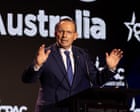
Tony Abbott is officially back on the political frontlines. Seven years after losing his Sydney seat of Warringah, the former prime minister is stepping into the role of federal president of the Liberal Party. But his return comes with a catch. He is cutting formal ties with Advance, the firebrand conservative lobby group he has advised since 2023.
Advance confirmed that Abbott will exit their advisory board as soon as his election is finalized at the federal council meeting in Melbourne. He ran completely unopposed after Alexander Downer backed out to seek a vice-presidency instead.
If you think this is just a routine reshuffle of an aging political warrior, you are missing the real story. This is about a massive ideological tug-of-war for the soul of Australia's center-right.
The Push to Bring Activist Tactics into the Party Machine
The real friction isn't just about Abbott taking an unpaid administrative job. It is about who he wants to bring with him. Word around the party infrastructure is that Abbott wants to install Advance director Matthew Sheahan or Steve Doyle—the brains behind the Whitestone Strategic consultancy—into the vacant federal director role.
This has moderate Liberals absolutely terrified.
Advance was built to be the aggressive conservative response to left-wing activist groups like GetUp. They don't play by standard diplomatic political rules. They launch brutal, direct campaigns. In fact, they have previously targeted moderate Liberal politicians.
Bringing these operators into the official Liberal tent represents a major shift in strategy. It means moving away from traditional branch-based campaigning and adopting a permanent, aggressive culture-war footing.
Why Metros Are Panicking While Conservatives Cheer
The internal divisions over Abbott's new role highlight a structural crisis within the Liberal party. Factional opponents believe pushing the party further to the right will hand a massive advantage to minor parties like One Nation or permanently alienate affluent inner-city voters.
Think back to how the party lost crucial metropolitan seats to Teal independents. Suburban and urban professionals didn't leave because of economic policy. They left because of social issues and tone. Bringing Advance's hardline rhetoric into the official party apparatus could make those metropolitan seats completely unrecoverable at the next federal election.
But there is an opposing view. Supporters point to Abbott’s track record. He spearheaded the landslide victories of 2004 and 2013. He knows how to build a disciplined campaign machine. Some party insiders genuinely believe he will surprise his critics by acting as a unifying force rather than a disruptor. They argue he has no desire to outshine opposition leader Angus Taylor publicly.
The Silent Global Network
While Abbott is stepping down from Advance, huge questions remain about his extensive global network of conservative affiliations. He currently holds board or advisory roles with several high-profile organizations:
- The Fox Corporation board
- The UK-based climate sceptic group, the Global Warming Policy Foundation
- The Ramsay Centre for Western Civilisation
- The Institute of Public Affairs
- The Danube Institute in Budapest
Abbott has famously praised Hungarian leader Viktor Orbán, calling him "Trump with brains." When asked directly whether he would cut ties with these international groups to avoid conflicts of interest as party president, Abbott stayed completely silent.
This global connection matters because it shows where Abbott's true intellectual alignment lies. He isn't looking to recreate the moderate conservatism of Robert Menzies. He is plugged into a modern, populist, international conservative movement.
Moving Beyond the Internal Friction
The immediate challenge for everyday Liberal members is managing this leadership transition without letting internal bickering derail policy debates. If you are involved in local branches or campaign organizing, watch the upcoming federal director appointment closely. That decision will tell you exactly which direction the party is heading.
Stop focusing entirely on media sideshows and look at the local data. Ensure your local branch campaigns remain focused on local economic pain points rather than getting bogged down in national culture debates that don't resonate in crucial swing suburbs. The administrative wing can change its leadership, but ground-level execution still decides elections.