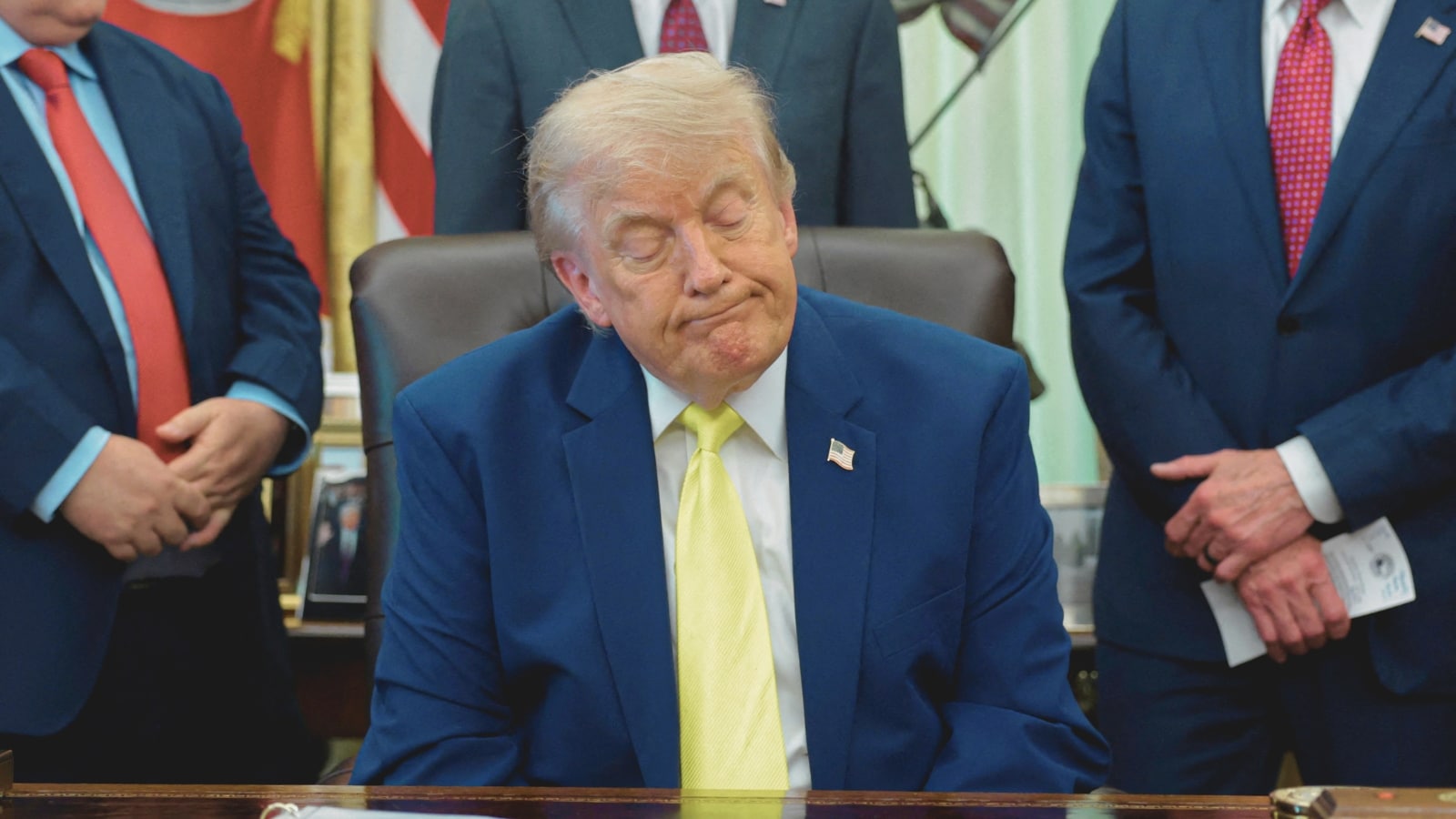
Tensions between political administrations and White House correspondents rarely stay behind closed doors. When Donald Trump turned his attention to CNN reporter Kristen Holmes during an Oval Office exchange, the confrontation immediately vaulted past standard political theater into a raw public spectacle. The friction points were familiar. At the heart of the dispute sat foreign policy decisions regarding US-South Korea military exercises and longstanding tactical postures toward North Korea.
If you look past the viral shouting, the core of the disagreement touches on a massive strategic divide. Critics argue that scaling back joint drills with Seoul weakens a vital regional alliance and rewards adversaries. Proponents insist that trimming large-scale war games de-escalates regional tension and opens doors for direct diplomacy. Trump defended his choices by pointing directly to his rapport with Kim Jong Un, telling reporters that his approach makes the region fundamentally safer.
The Flashpoint in the Oval Office
The confrontation escalated rapidly when the questioning shifted from military logistics and alliance commitments to diplomatic responsiveness. Trump snapped back, telling the reporter to "be quiet" and labeling the organization "fake news". He even pulled a young guest into the dialogue, asking if he found the line of questioning disrespectful.
This kind of public sparring highlights a deep structural breakdown in how information moves between the executive branch and major media outlets. Networks demand immediate accountability on troop readiness, alliance stability, and foreign correspondence. Administrations push back by weaponizing distrust against outlets they view as hostile.
Why the Alliance Debate Still Matters
The underlying policy question concerning US forces in the Korean Peninsula is serious. Scaling back joint maneuvers has historically been used as a diplomatic chip.
- Joint military exercises cost millions and require immense logistical coordination.
- Allies in Seoul often worry that reduced readiness creates a security vacuum.
- Past negotiations show that North Korea demands concessions on these drills before returning to formal talks.
When reporters press for answers on whether Pyongyang has actually responded to recent diplomatic overtures, they are trying to measure whether these concessions yield tangible results. Trump insisted that communication channels remain active and positive, though he offered no granular details to back up the claim.
The Aftermath and Media Backlash
Following the televised clash, media organizations rushed to defend their personnel. CNN issued a sharp public statement standing firmly behind Holmes, calling her a respected journalist doing her job on behalf of the public. On the other side, the administration doubled down through digital channels, ensuring the feud bled out across multiple news cycles.
These cycles follow a predictable script. A tough question gets asked. The president reacts with hostility. Media outlets cry foul over press freedom. Supporters cheer the confrontation as proof of strength against biased reporting. Nothing changes, and the fundamental policy debate gets buried under an avalanche of media commentary.
Watch how both sides handle upcoming defense budget allocations and joint command updates. That will tell you more about the future of the alliance than any Oval Office shouting match ever will.