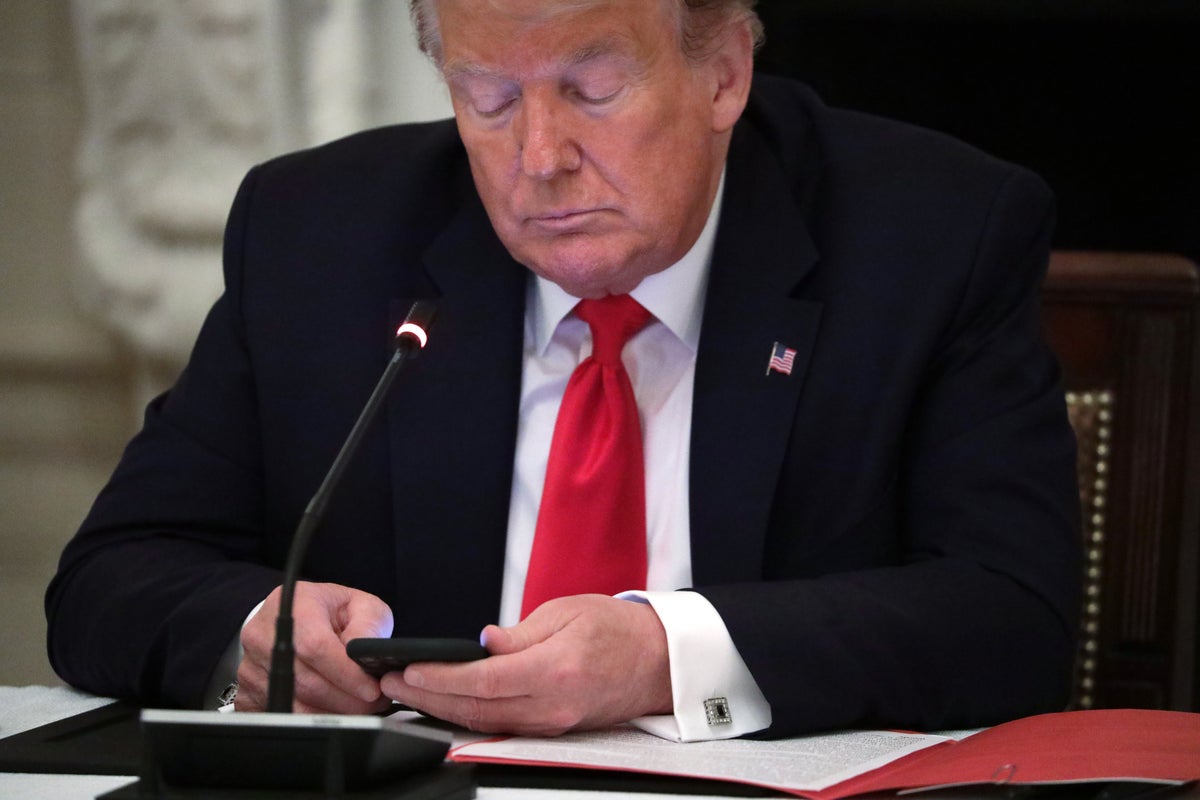
Donald Trump didn't wait for the morning news cycle to declare victory. Late into the night following the May 19 primary elections, his Truth Social account turned into a digital victory lap. 13 posts. Spanned mere minutes. The message was unmistakable, loud, and entirely on brand.
He claimed a perfect 100% success rate for his endorsed candidates. According to his tally, 37 out of 37 backed politicians secured their wins across Idaho, Alabama, Georgia, Pennsylvania, Oregon, and Kentucky. For a more detailed analysis into this area, we suggest: this related article.
But behind the rapid-fire posting lies a more complicated political reality. Is the MAGA grip on the Republican party absolute, or is the campaign data being selectively framed? Looking closely at the actual election data reveals what those 13 late-night posts didn't say.
The Big Wins Trump is Celebrating
You can't deny the raw power of the endorsement when it works. The biggest scalp of the night was Congressman Thomas Massie in Kentucky. Massie, a long-time libertarian-leaning maverick, frequently clashed with the party establishment and Trump himself. Trump threw his weight behind Ed Gallrein, a former Navy SEAL. For broader information on this development, extensive analysis can also be found at The Guardian.
Gallrein won. Massie conceded. That single race sent a chilling message to any remaining GOP dissidents: cross the line, and you're out.
Over in Idaho, the story was about survival. Three long-time Republican congressional incumbents faced furious primary battles from their right flanks. Trump backed all three. They all survived. For an establishment figure, a Trump nod isn't just a luxury anymore; it's a survival vest.
Then there is Georgia. Rep. Mike Collins and former college football coach Derek Dooley are moving forward in the high-stakes Senate primary to see who faces Democrat Jon Ossoff. Trump quickly claimed credit for shaping the direction of the ticket, ensuring that his preferred brand of politics dominates the upcoming general election matchups.
The Math Behind the 100 Percent Claim
Politicians love clean statistics. A 100% win rate sounds flawless, but the actual data requires some context. If you look under the hood of Tuesday's results, the perfect score relies on a very specific definition of winning.
First, Trump frequently backs safe incumbents. When an established politician in a deeply red district wins reelection, an endorsement doesn't change the outcome; it just validates it.
Second, the runoffs tell a different story. In Georgia, several key matchups for governor and the U.S. Senate failed to produce a clear majority winner. These races are now heading to tense runoffs in June. While Trump-backed candidates are technically in first place or moving on to the next round, the battles aren't over. Claiming a final victory before the second round of voting is a classic marketing strategy, but it isn't final math.
The Texas Shadow and Party Control
To understand why Trump is pushing the success narrative so hard right now, look at what's happening next week. The intense focus on primary dominance sets the stage for the highly contentious May 26 Republican Senate runoff in Texas.
Trump made a massive political gamble by endorsing Texas Attorney General Ken Paxton over veteran Senator John Cornyn. The move stunned the Washington establishment. Cornyn represents the traditional, experienced wing of the party. Paxton brings significant legal controversies but offers absolute loyalty.
Traditional party leaders preferred Cornyn, citing internal polling that shows Cornyn performing better against Democratic challenger James Talarico. Trump rejected that advice entirely.
By pushing a narrative of complete primary dominance through his Truth Social blitz, Trump is building an aura of political invincibility. He's telling Texas voters that his choices don't lose. It creates an intense psychological momentum ahead of next week's vote. If Paxton wins, Trump's control over the party machinery becomes virtually total. If Paxton loses, the 100% narrative shatters.
Why the Late Night Blitz Strategy Works
The decision to fire off over a dozen posts in minutes isn't accidental. It's an effective media strategy that bypasses traditional news filters.
- Setting the Narrative: By posting before major newspapers print their morning editions, Trump ensures his framing of the night is the first thing people see.
- Media Amplification: Cable news and political blogs immediately pick up the frenzy. The conversation shifts from "how did the candidates do?" to "look at Trump's streak."
- Donor Confidence: Huge public wins keep the donor class engaged and the financial spigots open for the general election push.
For voters trying to navigate the current political environment, understanding this media dynamic is essential. Don't look at primary endorsements as a simple stamp of approval. They are tools used to enforce discipline within the party ranks.
Watch the June runoffs in Georgia and the Texas results next week closely. Those outcomes will reveal whether the party is truly unified under one banner, or if the internal fractures are simply being covered up by rapid-fire social media posts. The real test of political power isn't the primary victory lap; it's whether these same candidates can successfully cross the finish line in November.