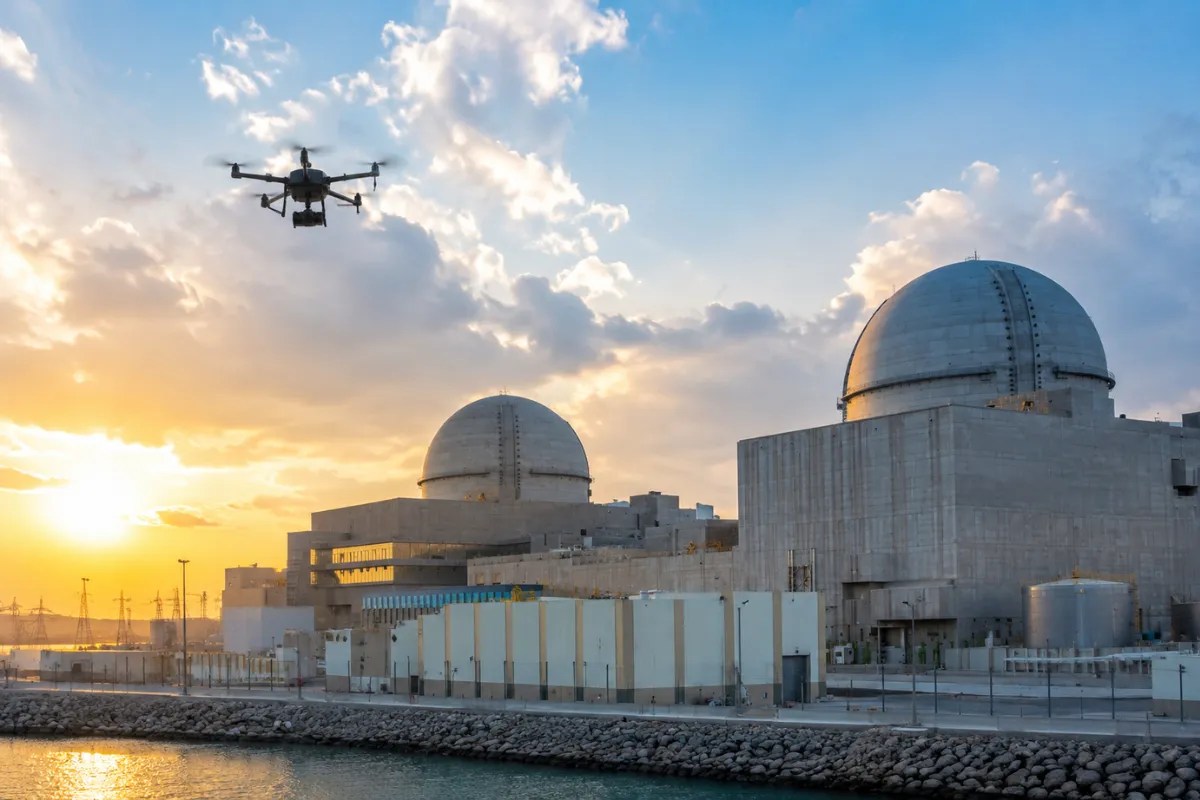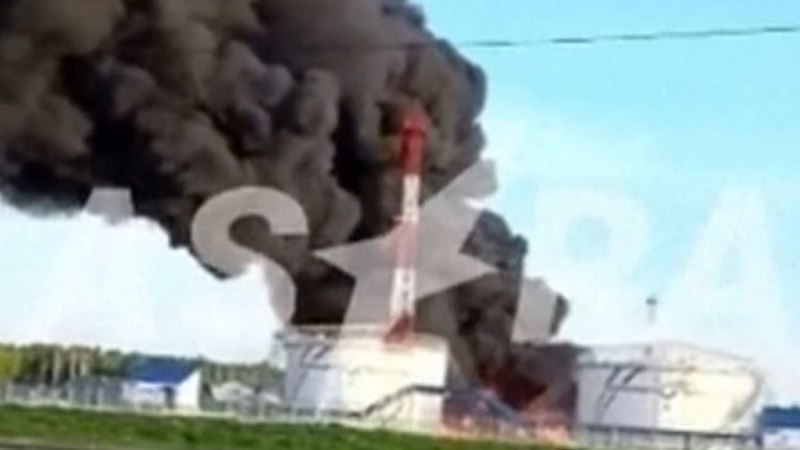
Air raid sirens didn't wake up Moscow this weekend. Instead, it was the low, lawnmower-like buzz of hundreds of Ukrainian drones flying low over the horizon. By dawn on Sunday, May 17, 2026, the sheer scale of the assault became undeniable. Kyiv had just launched its largest coordinated long-range drone strike since the full-scale war began more than four years ago.
Over 550 drones swarmed across 14 different Russian regions, pushing deep past air defenses to strike the capital district, crucial energy hubs, and highly classified microelectronics factories.
If you're still tracking this war through the lens of traditional artillery duels and static trench lines, you're missing the bigger picture. Kyiv just proved it can bypass the frontlines entirely and bring asymmetric economic warfare directly to the doorsteps of the Russian elite. This isn't just a retaliatory stunt. It's a fundamental shift in how modern wars are fought when one side lacks traditional air superiority.
The Reality of the May 17 Barrage
Let's look at the hard numbers. The Russian Defense Ministry claimed its forces shot down or neutralized 586 drones overnight and into Sunday morning. That number alone tells you everything you need to know about Ukraine's domestic drone production boom. They aren't relying on scarce, multimillion-dollar Western missiles to strike deep into Russia anymore. They're building their own cheap, long-range composite aircraft by the thousands.
The strike targeted highly specific, high-value nodes designed to cripple Russia's military machine.
- The Moscow Oil Refinery: Located in the Kapotnya district, this facility became a major target. Debris hit near the main checkpoint, wounding 12 people, mostly construction workers. Moscow Mayor Sergei Sobyanin rushed to reassure the public that the core technology wasn't damaged, but the proximity of the strike shocked locals.
- The Elma Technopark: Situated in Zelenograd, this hub caught fire after a direct hit. It's the beating heart of Russian microelectronics, robotics, and optical research—industries Russia desperately relies on to bypass Western microchip sanctions.
- The Solnechnogorsk Fuel Loading Station: This critical piece of pipeline infrastructure handles the distribution of gasoline and diesel around the capital region. It burned for hours after the attack.
The damage stretched far beyond Moscow. In Stavropol Krai, roughly 1,000 kilometers from the Ukrainian border, the Nevinnomyssk Azot chemical plant was hit. This isn't a simple fertilizer factory; it produces the precise industrial chemicals needed to manufacture military-grade explosives. Meanwhile, out in the Caspian Sea near Kaspiysk, Ukraine's Unmanned Systems Forces used specialized drones to strike a Russian naval patrol boat.
The Human Cost Outside the Frontline
While Ukraine maintains it targets only military and industrial facilities, a drone operation this massive inevitably causes chaos on the ground. Debris and stray impacts turned deadly.
In Khimki, a city just northwest of Moscow, a woman died when drone wreckage crashed into her home. Two men lost their lives in the village of Pogorelki, six miles north of the capital. The Indian Embassy in Moscow confirmed that an Indian citizen working in the region was among the dead, with three other Indian nationals hospitalized with injuries. Another casualty was reported in the Belgorod border region after a drone struck a cargo truck.
Kyiv views these losses as an inevitable, justified response to Russia's own relentless bombing campaigns. Just days earlier, a massive three-day Russian missile barrage hammered Ukrainian cities, killing 24 people and injuring 50 in Kyiv alone.
Ukrainian President Volodymyr Zelenskyy didn't mince words when he posted footage of the drone strikes online. He stated plainly that the operations were entirely justified. His message to the Kremlin was direct: if you keep destroying Ukrainian cities, your own capital will no longer sleep in peace.
How Kyiv Defeated Moscow's Layered Air Defenses
For years, military analysts considered Moscow the most heavily defended airspace on the planet. It's ringed by layers of S-400 surface-to-air missiles, Pantsir-S1 gun systems, and complex electronic jamming arrays. Yet, dozens of Ukrainian drones flew more than 500 kilometers right through that net. How?
They didn't do it with stealth technology. They did it with numbers and smart routing.
Ukraine used a classic saturation tactic. By launching hundreds of cheap, low-altitude drones simultaneously from multiple launch points, they simply overwhelmed the processing limits of Russian radar systems. A Pantsir system can track and shoot down half a dozen targets at once, but it can't handle forty coming from different directions at tree-top level.
Furthermore, Ukraine's Unmanned Systems Forces—a dedicated branch of the military created specifically for this type of warfare—spent weeks mapping out blind spots in Russia's radar coverage. They programmed the drones to utilize river valleys, ravines, and gaps in local topography to mask their approach until the very last minute. Even when Russian jamming systems successfully severed the GPS links of these drones, many used optical terrain-mapping backup systems to stay on course without any satellite signals.
The Economic Slap in the Face
Don't look at this as a purely military victory. The real impact is economic and psychological.
Russia's state apparatus spends billions trying to maintain an illusion of normalcy in Moscow. They want the average resident to feel like the war is a distant event happening thousands of miles away in the Donbas. This weekend shattered that illusion completely.
When drone debris falls on the grounds of Sheremetyevo, Russia's largest international airport, it disrupts logistics, spikes insurance premiums, and forces elite business networks to rethink their security. When microelectronics plants in Zelenograd burn, it slows down the production of guided missile components by weeks or months.
Ukraine is effectively running a long-distance sanctions program using low-cost explosives. They're betting that they can drain Russia's economic capacity faster than Russia can grind down Ukraine's infantry defenses.
What This Means for the Rest of 2026
If you think this is the peak of the drone war, you're mistaken. This strike is a proof of concept. Ukraine has spent the last year scaling up automated factories hidden deep underground or scattered across NATO border regions to avoid Russian missile strikes.
We are entering a phase of the conflict where long-range robotic warfare is the primary driver of strategic leverage. Ukraine cannot match Russia's mass of artillery shells or its endless supply of mobilized troops. But they can out-engineer them.
For anyone watching the geopolitical landscape, the takeaway is clear: the deep rear of any nation is no longer safe in a modern conflict. If cheap, mass-produced drones can penetrate the most heavily defended capital region in the world, the old rules of air defense are officially dead. Expect Kyiv to refine these swarm tactics over the coming weeks, targeting specific vulnerabilities in the Russian power grid before the winter months arrive.