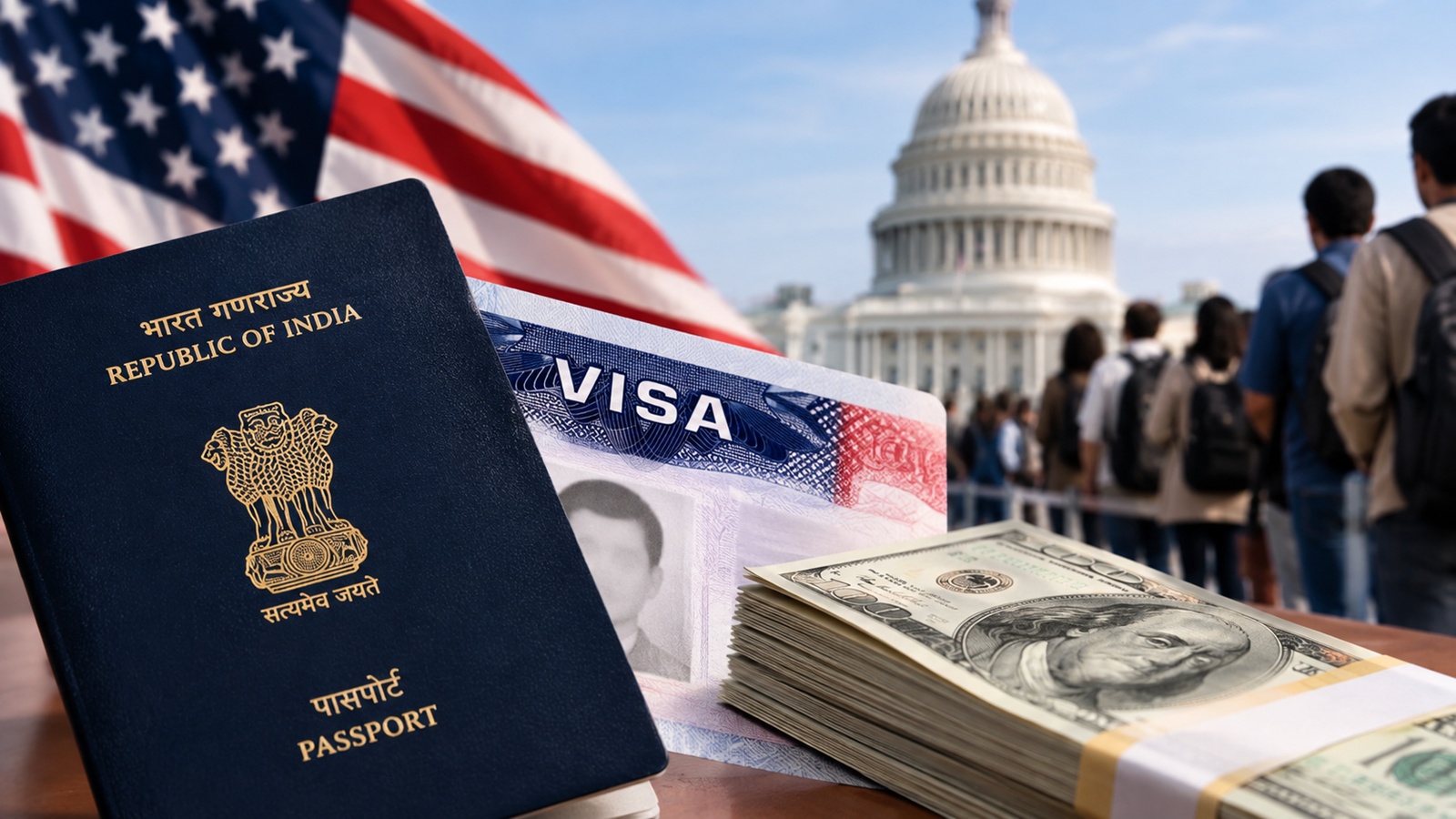
Let's talk about the fine print of American immigration policy. The US State Department permanent visa bond program forces B-1/B-2 tourist and business visa applicants from 50 specific countries to deposit anywhere from $10,000 to $20,000 before setting foot in the country. Yet, India remains completely absent from this list.
If you glance at the mechanics of this system, you quickly realize it isn't just about collecting cash. It's a heavy-handed diplomatic lever designed to penalize nations with high overstay rates and weak data-sharing practices.
What the US Visa Bond Rule Actually Entails
Under Section 221(g)(3) of the Immigration and Nationality Act, the US government can demand a steep financial guarantee. What started as a temporary pilot has transformed into a permanent framework. Affected travelers must submit Form I-352 and fork over funds via Pay.gov.
The price tags are steep:
- $10,000
- $15,000
- $20,000
And you can't just fly anywhere. Bondholders are restricted to specific commercial airports equipped with Customs and Border Protection preclearance. Try entering through a land border, seaport, or charter flight, and you will face immediate denial or a ruined departure record.
Getting your money back isn't automatic either. You get refunded only if you strictly follow the terms of your temporary stay and exit the country on time through an approved commercial airport. Overstaying by even a single day, or filing a late extension request, breaches the bond and forfeits the entire deposit.
Why India Is Left Off the List
The exclusion of India catches many headlines, mostly because millions of Indian citizens apply for B-1/B-2 visas annually for tech conferences, family visits, and tourism. Why isn't India on the 50-country roster?
The Department of Homeland Security calculates these designations using official Entry/Exit Overstay Reports. The criteria focus heavily on:
- Statistical overstay percentages from the previous fiscal year.
- Information-sharing and identity verification protocols.
- Cooperation on criminal records and repatriation.
While India deals with massive consular backlogs and extended wait times for interview slots, its baseline visa compliance metrics and bilateral security tracking mechanism kept it outside the thresholds triggering the bond mandate. Countries on the current list—such as Bangladesh, Nepal, Bhutan, and various nations across Africa and the Caribbean—face these barriers because their statistical overstay volumes crossed specific agency benchmarks.
The Reality of Policy Enforcement
Let's be clear about the impact. Government data shows that implementing these bonds caused an 83 percent drop in visa issuances from covered countries during the initial phases. Many applicants simply self-select out because they cannot tie up $20,000 in a US Treasury account for a brief family trip or business meeting.
At the same time, the rule forces a massive logistical hurdle. The person who pays—the obligor—must match the exact name on the legal paperwork. If exchange rates shift while your money sits in US dollars, you eat the loss upon refund.
If you hold a passport from one of the 50 affected nations, check the rolling updates on the official State Department travel portal at least 15 days before your scheduled interview. Ensure you have liquid capital ready through authorized channels, map out your travel exclusively through approved commercial airports with preclearance, and track your exit timestamps down to the minute to secure your refund.