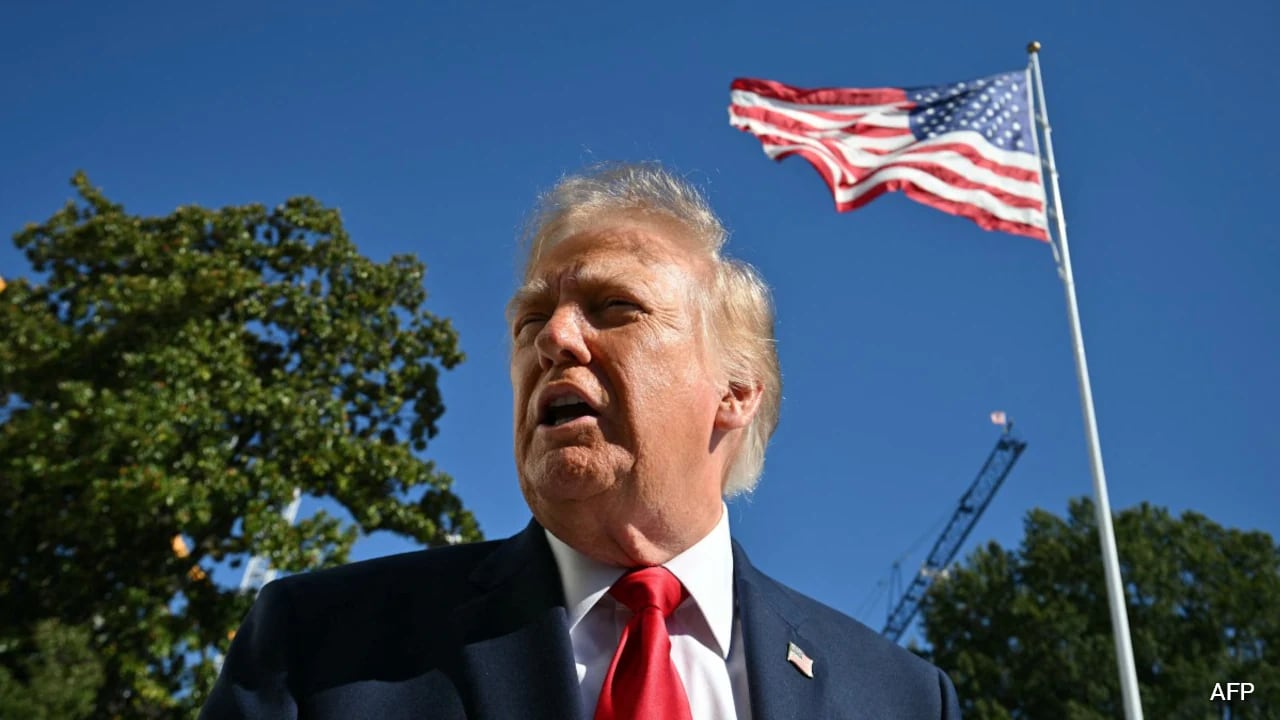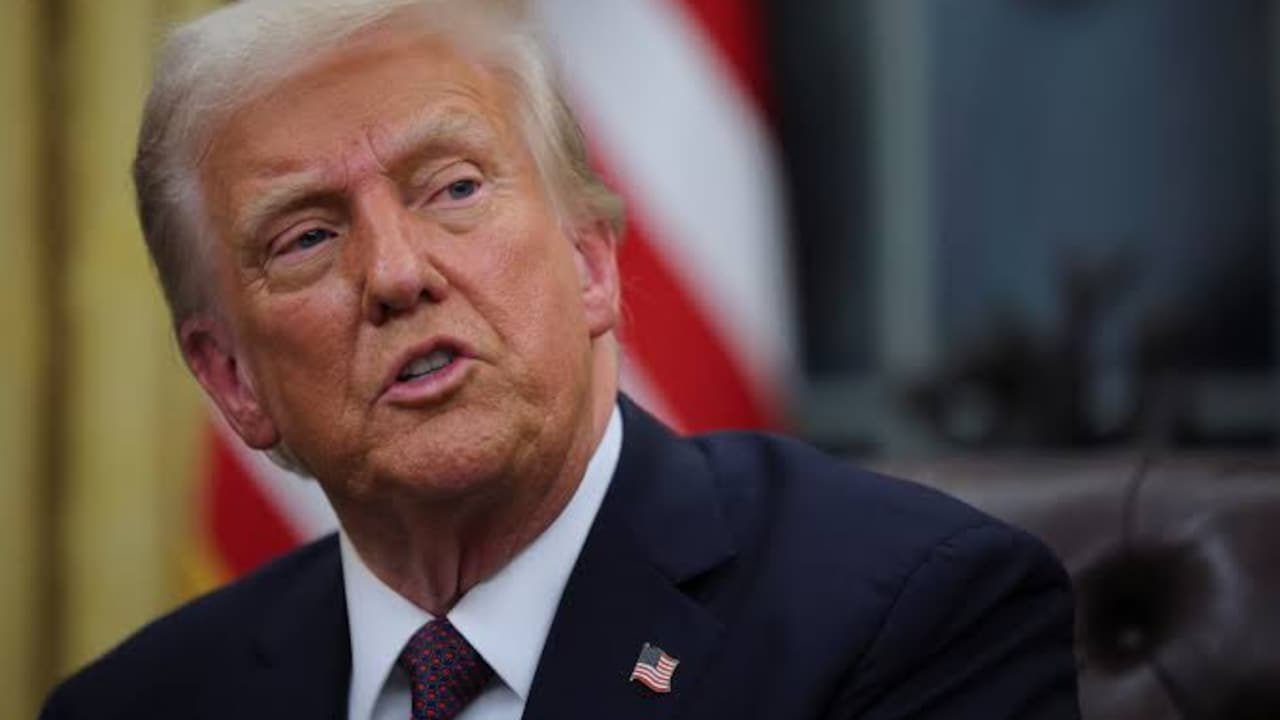
The press room at 1600 Pennsylvania Avenue spent another week clutching pearls over a headline that never deserved the ink. The narrative machine spun into overdrive, breathlessly reporting that the White House felt compelled to issue yet another hurried denial regarding Donald Trump and a supposed back-channel threat to obliterate Iranian urban centers.
Everyone fell right into line. Pundits on cable networks wagged their fingers. Editorial boards churned out predictable, high-minded scoldings about diplomatic decorum and the sanctity of international norms. Also making headlines in this space: Structural Failures in the Legal Protection Mechanism.
They are missing the entire point because they refuse to look at how power actually operates.
Focusing on the literal phrasing of a rumored threat misses the structural mechanics of modern statecraft. The lazy consensus in foreign policy journalism assumes that political stability depends entirely on polite language and predictable communiques. It treats diplomacy like a high-society dinner party where a faux pas is the ultimate disaster, ignoring the brutal calculus of deterrence that keeps nuclear-armed states from destroying one another. Additional information regarding the matter are explored by NBC News.
When a politician uses inflammatory rhetoric or lets a calculated leak slip about targeting population centers, the establishment acts shocked. They treat it as a departure from normal statecraft. They are wrong. It is not a departure. It is the core mechanism of deterrence stripped of its diplomatic sugarcoating.
Decades of diplomatic history show that stability does not come from sweet talk. It comes from credibility. And credibility in a zero-sum geopolitical standoff requires signaling a willingness to cross lines that polite society refuses to discuss.
Look at the mechanics of the doctrine of mutually assured destruction. During the Cold War, Washington and Moscow did not maintain peace by exchanging compliments about each other's healthcare systems. They maintained peace by making it abundantly clear that any major conflict would result in the complete annihilation of cities, factories, and millions of non-combatants. The strategy was called counter-value targeting. It sounded horrific because it was horrific. Yet, generations of diplomats accepted it as the bedrock of global security.
Today, media outlets pretend that mentioning the unthinkable is somehow a new and dangerous breach of protocol. That is historical illiteracy. Every major power maintains contingency plans that involve catastrophic force against adversary infrastructure and population hubs. The only difference is that bureaucrats prefer to hide those plans behind sanitized acronyms like collateral damage projections and strategic reserve neutralization, while populists say the quiet part out loud for effect.
The White House handlers rush to deny these reports not because the underlying reality is false, but because the machinery of diplomacy relies on plausible deniability. Diplomats need a buffer of polite fiction so they can sit across a negotiating table and pretend they are civilized partners, even while both sides have fingers resting lightly on triggers capable of turning capitals into glass.
When a leak exposes the raw, unvarnished threat behind the polite facade, the system panics. The panic is entirely
Why The White House Denial On Iran Misses The Point Entirely
news
The official press briefing room operates on a specific kind of theater. A report drops, a headline surges across terminals, and a spokesperson steps behind the lectern with a laminated expression of absolute disbelief. They deny, they deflect, and they parse verbs with the precision of a defense attorney billing three hundred dollars an hour. When the White House forcefully rejected the claim that Donald Trump suggested targeting Iranian cities, the media apparatus exhaled in unison. Crisis managed. Narrative contained.
Except the entire debate is a masterclass in missing the forest for the burning trees.
Focusing on whether a specific threat was uttered misses how modern geopolitical signaling functions. Statecraft at the highest tier does not rely on cartoonish James Bond villain declarations. It relies on ambiguity so thick you could slice it with a bayonet. When foreign policy commentary obsesses over the literal transcript of a closed-door fundraiser or a leaked briefing, it treats politics like a courtroom drama instead of what it actually is: a high-stakes poker game played with national treasuries and human lives.
I have spent years watching strategic communications teams spin iron into copper and back again. The obsession with the exact phrasing of a threat is a deliberate distraction. It allows commentators to debate semantics while the underlying structural posture shifts entirely.
Let us look at the lazy consensus dominating current coverage. The mainstream narrative assumes that if a denial is issued, the scandal is the statement itself. The reporters chase the quote, the administration denies the quote, and the public divides neatly down partisan fault lines, arguing about whether a politician would or would not cross a rhetorical Rubicon. This is political pro wrestling. It gives the audience a clear hero and villain while masking the grim mechanics of deterrence.
The real story is not whether a city was named. The real story is that the Overton window for what constitutes acceptable state violence has shifted so far past the horizon that we are arguing over zip codes.
The Mechanics Of Strategic Ambiguity
Deterrence theory in the post-cold war era has degraded into a shouting match. Traditional realism dictated that you speak softly and carry a big stick. Contemporary populism speaks loudly, carries a billboard, and then denies the billboard exists when the market reacts.
When national security officials leak or report aggressive postures, they are rarely engaging in a Freudian slip. They are running a diagnostic test on global markets, adversary resilience, and domestic tolerance. They want to see how Tehran reacts. They want to see how the European allies flinch. Most importantly, they want to measure how much blood pressure the domestic electorate can handle before the midterms.
Denials from the White House hold zero predictive value regarding actual state behavior. They are damage control, pure and simple. If an administration intends to escalate, they do not telegraph the exact coordinates through an open microphone at a donor dinner. Conversely, if they want to de-escalate, a firm denial is the mandatory diplomatic grease required to let the other side save face.
This brings us to the core misconception people cling to when reading these news cycles. They assume words equal policy. They do not. Words are weather. Policy is the terrain.
The Cost Of Consuming Manufactured Shock
The modern news consumer is addicted to the outrage loop. Every twenty-four hours brings a new iteration of the same cycle: an anonymous source drops an inflammatory allegation, the administration issues a blistering denial, and talking heads spend three days dissecting the integrity of the anonymous source rather than the underlying policy failure that made the leak believable in the first place.
Why do we fall for this? Because simple villainy is easier to process than systemic failure. It is much easier to imagine a rogue leader proposing the leveling of a metropolis than it is to confront the bipartisan consensus that has kept crippling sanctions, proxy wars, and permanent naval buildups locked in place for decades.
The denial is designed to keep you looking at the personality rather than the system. It frames the issue as a question of individual temperament instead of institutional design. As long as you are arguing about whether a specific threat was made, you are not asking why the structural architecture of the region guarantees that such a threat remains plausible, deniable, or on the table in the first place.
When you strip away the theater of the press briefing, the reality of foreign policy reveals itself as cold, transactional, and entirely divorced from the moral posturing found in editorial pages.
Moving Beyond The Transcript Trap
If you want to understand where international relations are heading, stop reading the denials and start watching the capital allocations. Watch the intelligence sharing agreements. Watch the carrier strike group rotations. Those do not require press secretaries to launder their meaning.
The next time a headline breaks about a shocking remark behind closed doors, remember that you are being handed a distraction. The controversy is the product. The denial is the receipt.
Stop buying what they are selling.
The cities are still there. The missiles are still fueled. And the people running the show are still banking on the fact that you care more about the words they use than the consequences they orchestrate.