Power rarely stays hidden for long in British politics. When a senior regional leader finds themselves tangled in high-stakes financial dealings with a global football superpower, the resulting friction attracts intense scrutiny. Prime Minister or regional mayor, political accountability requires transparency, especially when public office intersects with sovereign wealth and elite sports governance.
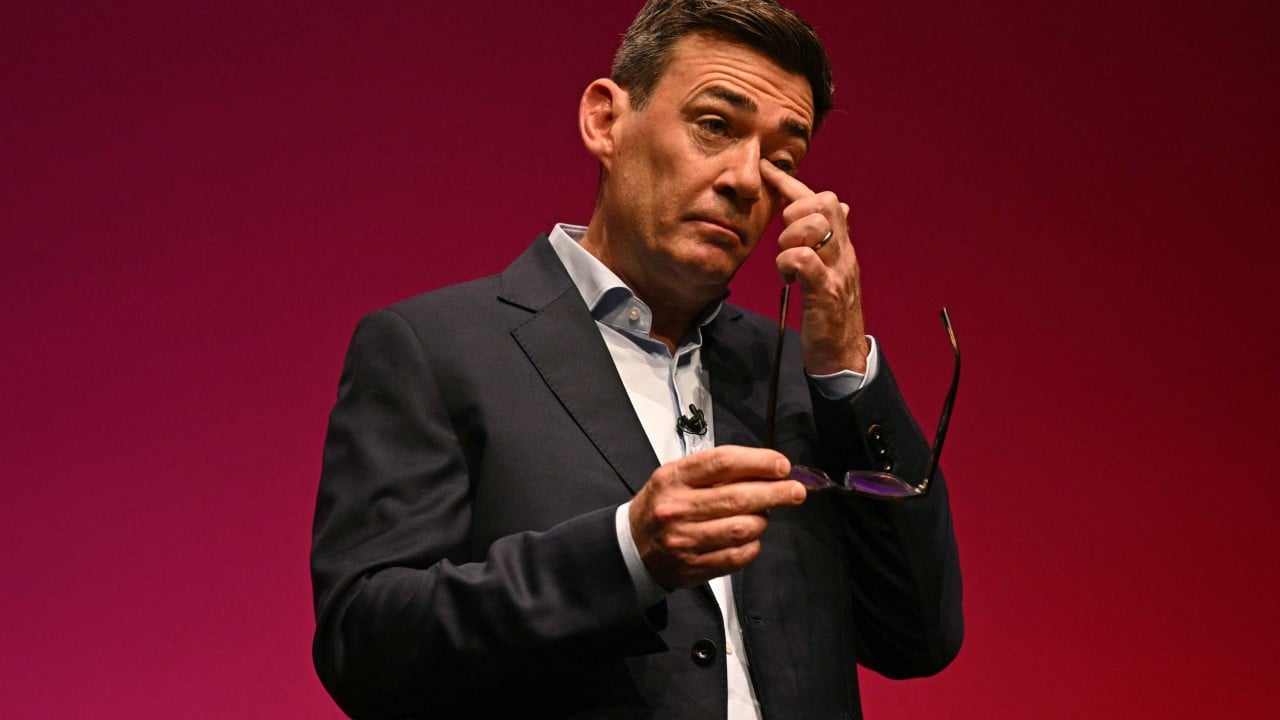
Andy Burnham, the prominent Mayor of Greater Manchester, now faces mounting pressure to publish the complete dossier of his administration's dealings with Manchester City. The controversy stems from a series of controversial interventions that drew sharp criticism from governance watchdogs, political rivals, and ordinary citizens alike. Critics argue that cozy relationships between municipal authorities and billionaire-backed sports clubs create an unhealthy opacity. Supporters counter that such partnerships drive local investment, regenerate deprived areas, and secure vital employment.
The core issue centers on transparency and public trust. When local government figures advocate for or facilitate complex stadium developments, transport upgrades, or real estate transformations tied to a dominant football club, the line between civic duty and corporate lobbying blurs dangerously. Burnham has long championed Greater Manchester as a place open for business, positioning himself as a pragmatic leader willing to work with anyone who brings capital into the North of England. Yet, pragmatism without rigorous oversight breeds suspicion.
Investigative reporting into municipal governance reveals a recurring pattern. Local authorities, desperate for economic wins in the wake of centralized budget cuts, often surrender leverage to private entities. Manchester City, backed by Abu Dhabi United Group and overseen by City Football Group, represents an economic titan capable of shifting regional fortunes overnight. From the transformation of East Manchester around the Etihad Stadium to community sports initiatives, the footprint of the club is undeniable. But influence of this magnitude demands absolute clarity regarding meetings, lobbying efforts, and financial exchanges.
The catalyst for the
The Manchester Mess How Political Interventions and Football Collide
sports, news
Political scrutiny around football governance rarely stays confined to the back pages. When a high-ranking political figure faces intense questions regarding dealings with a major Premier League club, the resulting fallout exposes the fragile boundary where public office meets commercial sport. The upcoming release of transparency documents concerning UK Prime Minister Andy Burnham and his interactions involving Manchester City marks a critical inflection point for modern political accountability.
Public pressure has forced transparency. Critics argue that political proximity to elite football institutions creates conflicts of interest that undermine public trust. When policy decisions, urban development projects, or regulatory stances intersect with entities holding immense cultural and financial power, every meeting leaves a paper trail. Whitehall observers note that the decision to publish these records is less an act of voluntary openness and more a calculated containment strategy designed to silence persistent questions from opposition lawmakers.
Football is never just a game in contemporary Britain. It operates as soft power, urban economic engine, and tribal identity rolled into one. For politicians representing northern constituencies, maintaining a working relationship with dominant clubs like Manchester City is practically a job requirement. Yet, this proximity invites suspicion. Transparency documents often reveal the mundane reality of administrative lobbying rather than grand conspiracies, but the mere appearance of preferential access damages institutional credibility.
The timeline of events leading up to this disclosure reveals a pattern of delayed acknowledgment and defensive posturing. Questions regarding regional infrastructure investments, stadium expansions, and regulatory oversight have circulated for months. By promising to release the full correspondence and meeting logs, the administration aims to draw a line under the controversy. Whether the documents will satisfy skeptics remains doubtful. Freedom of information requests and self-published transparency logs frequently leave vital questions unanswered, redacted behind layers of official exemptions and commercial sensitivity clauses.
Industry analysts point out that football clubs wield extraordinary leverage in local governance. When a club contributes billions to regional gross domestic product and employs thousands, municipal leaders listen. However, this dynamic shifts when local figures ascend to national office. The habits formed during regional tenures do not simply vanish upon entering Downing Street. Past alliances cast long shadows, complicating efforts to project neutrality on broader regulatory matters affecting the sport, such as the independent football regulator proposed in recent legislative packages.
Opposition parties intend to comb through every released email and calendar entry. They will look for discrepancies, unrecorded phone calls, and evidence of undue influence. This political trench warfare is standard operating procedure, but the stakes are higher when billions of pounds in foreign investment and sovereign wealth are tied to the clubs under scrutiny. The intersection of geopolitical interests and domestic sport governance demands rigorous oversight, yet mechanisms for holding leaders accountable remain frustratingly opaque.
Examining the mechanics of political access requires looking past the rhetoric. Lobbying in the UK operates through established channels of influence, dinners, and advisory boards. While legal, these pathways favor organizations with deep pockets and dedicated public relations teams. Community football clubs lack the resources to command a prime minister's attention, reinforcing a two-tier reality where elite institutions enjoy direct lines to power.
The publication of these dealings will likely generate a flurry of headlines before fading into the background noise of Westminster politics. Yet, the underlying tension remains unresolved. As football finance grows increasingly complex, the firewall between political decision-making and sporting influence continues to erode. True accountability requires more than reactive transparency dumps; it demands a fundamental rethinking of how leaders interact with commercial giants that hold outsized sway over public life.