The Telegram on the Desk
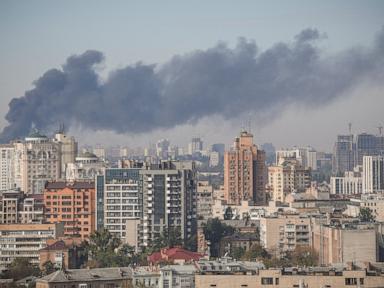
The morning light in Seoul rarely brings quiet news these days. Across the globe, fiber-optic cables hum with updates from a battlefield thousands of miles away, where trench lines freeze under winter skies in Eastern Europe. But yesterday, a single diplomatic dispatch shifted the weight of foreign policy in an instant. The government made a quiet, heavy decision: to recall its ambassador from Kyiv.
It sounds like a bureaucratic maneuver. A logistical shuffle of tailored suits and stamped passports. It is not.
To understand why an ambassador packs their bags, you have to look beyond the embassy walls in Ukraine and trace an arc across continents—all the way to the Korean Peninsula and further north, into the secretive military zones of Pyongyang.
When Distant Borders Collide
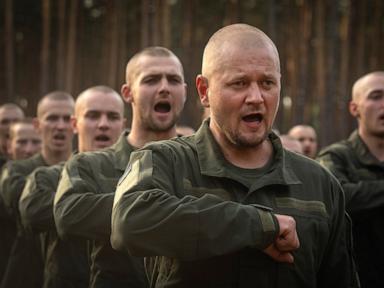
Imagine standing on the border of two worlds. For decades, the division of the Korean Peninsula has been a Cold War relic frozen in time. Yet history rarely stays neatly in its box. In recent months, reports surfaced of soldiers crossing another border entirely—thousands of North Korean troops deploying to support military operations in Eastern Europe.
For Seoul, this is not a theoretical debate about international law. It is an immediate, visceral security threat. When a hostile neighbor gains combat experience, modern weaponry testing grounds, and strategic backing from global superpowers, the calculus of survival changes overnight.
Diplomacy is often measured in millimeters. A recalled ambassador is a flashing red light. It signals that traditional channels of conversation are buckling under the pressure of unprecedented escalation.
The Human Cost Behind the Headlines
We talk about geopolitics as if it were a board game played by faceless leaders. Move a piece here, pull a token back there. But behind every diplomatic sanction and recalled envoy are real people navigating impossible realities.
Consider the civilian populations caught in the crossfire of overlapping conflicts. In Kyiv, families listen for air raid sirens while enduring rolling blackouts. In Seoul, citizens watch nightly broadcasts wondering how alliances forged decades ago will protect them tomorrow.
Wars do not stay local anymore. Supply chains, cyber warfare, and proxy deployments tie distant nations together in a web of consequences. When North Korean personnel enter the European theater, the distance between Seoul and the front lines collapses.
Reading Between the Lines
Why recall the ambassador now? Because symbols matter when words fail. By pulling its top envoy back for consultations, South Korea is drawing a sharp line in the sand. It tells the international community that the deployment of foreign troops into the European conflict crosses a threshold of concern that demands a total reassessment of bilateral relations and strategic cooperation.
It is an act of diplomatic friction. It forces allies and partners to pause, re-evaluate intelligence, and coordinate their next moves.
As winter deepens, the diplomatic chill will likely linger. The ambassador's office in Kyiv remains empty for now, a silent testament to how quickly regional conflicts can engulf the entire world. The cables will keep humming, the dispatches will keep arriving, and the quiet work of navigating an uncertain global future will continue behind closed doors.