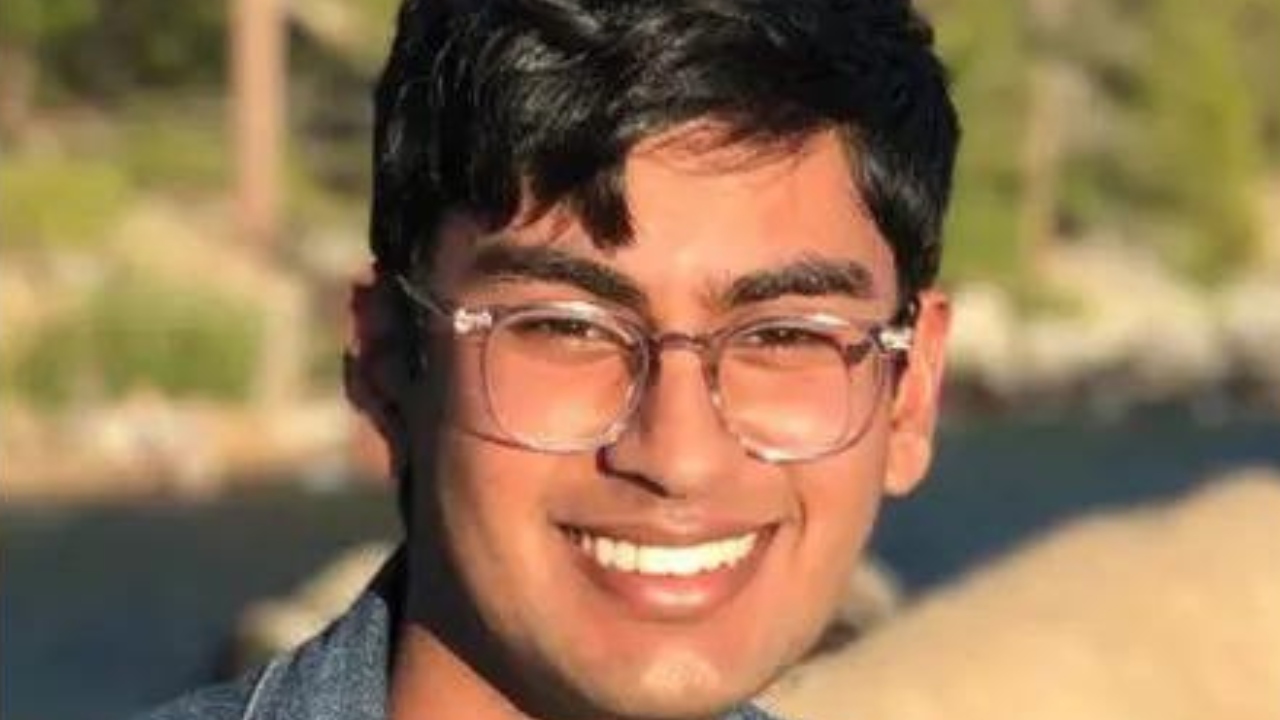
Former OpenAI engineer Suchir Balaji was found dead in an apartment in San Francisco, and the tech world hasn’t been the same since. The medical examiner quickly ruled it a suicide. Case closed, right? Not if you talk to his parents.
They don't buy it. They say he would never harm himself.
When a brilliant 26-year-old whistleblowing engineer dies under sudden circumstances, people notice. Especially when that engineer spent his final months publicly warning the world about the existential threats of artificial intelligence. The internet exploded with conspiracy theories. Then Elon Musk weighed in, sending the entire situation into overdrive.
We need to look past the social media noise. This situation highlights a massive, growing rift between Silicon Valley’s powerful tech elite and the safety researchers who try to hold them accountable.
The Fight for Suchir Balaji Legacy
Suchir Balaji wasn't just another coder. He was a core member of OpenAI's ChatGPT development team. He spent nearly four years helping build the infrastructure that changed the world. He left the company because of a massive crisis of conscience.
He realized the technology he helped create was actively destroying the internet ecosystem. He didn't just quietly quit. He went to the media. He gave high-profile interviews explaining how tech giants copy copyrighted data without permission, ruining the livelihoods of independent creators.
His family says he was deeply committed to this mission. He was organized. He was planning his next steps. He was actively communicating with his lawyers and journalists. His parents maintain that his mental state was strong, focused, and driven by a desire for systemic change. They argue that someone so deeply invested in a long-term fight for tech ethics doesn't just abruptly end their life.
The skepticism from his family isn't just grief-driven denial. It stems from a profound understanding of who their son was. They knew his daily routines, his passions, and his emotional baseline. To them, the official determination from local authorities feels rushed, incomplete, and too convenient for an industry that desperately wanted a vocal critic to go away.
Elon Musk Response and the Power Elite
When the news of his death hit the internet, the reaction was immediate and polarized. Then Elon Musk entered the chat. Replying to a post about the family's refusal to accept the suicide ruling, Musk posted a single word on X: "Concerning."
That one word acted like lighter fluid on an open flame.
Musk has a complicated relationship with OpenAI. He co-founded it back in 2015 as a non-profit, then walked away after a power struggle. He's been suing them off and on ever since, claiming they abandoned their original mission in pursuit of corporate billions. By validation of the family's doubts, Musk wasn't just offering sympathy. He was throwing a direct punch at his biggest rivals in the AI race.
This dynamic shows how tragic real-world events get weaponized in corporate tech wars. Musk's brief comment instantly legitimized the skepticism of the family, bringing global mainstream attention to a story that tech executives likely preferred to keep buried in local metro sections. It turned a private family tragedy into a massive talking point about corporate accountability, whistleblower safety, and the extreme pressures faced by tech dissidents.
The Brutal Reality of Silicon Valley Whistleblowing
Being an AI whistleblower is an incredibly lonely, terrifying experience. You aren't just dealing with normal corporate politics. You are going up against multi-trillion-dollar entities backed by sovereign wealth funds and the highest levels of government.
Look at what happened to other prominent researchers. Timnit Gebru and Margaret Mitchell were pushed out of Google after raising alarms about bias in large language models. Leopold Aschenbrenner was fired from OpenAI after raising security concerns about data leaks.
The playbook used against these researchers is remarkably consistent.
- First, companies try to minimize their contributions.
- Second, they enforce aggressive non-disclosure agreements.
- Third, if the researcher still speaks out, the whisper campaigns start, painting them as unstable, difficult to work with, or disgruntled.
When an engineer decides to blow the whistle, they sacrifice their career stability, their industry relationships, and their financial security. They receive constant online harassment, legal threats, and intense surveillance. The mental toll of living under that kind of microscope is immense, which is exactly why the official narrative of suicide is plausible to outsiders, even while it remains entirely unacceptable to the people who knew Suchir Balaji best.
The Real Question Behind the Conspiracy Theories
We shouldn't get bogged down in unproven internet rumors about foul play. The real issue is the profound lack of trust between the public and major tech companies. People are ready to believe the absolute worst about Silicon Valley because these corporations have spent years proving they value profit and market dominance far above human well-being.
When a company builds tools capable of reshaping human society while actively hiding its training data, safety testing protocols, and internal dissent, it creates an environment of extreme paranoia. If everything is secretive, then anything feels possible.
The Balaji family is demanding a full, independent, transparent investigation. They want access to his digital devices, his communication logs, and his final movements. They deserve these answers. The tech community deserves these answers. Without total transparency, the cloud of suspicion hanging over the entire AI industry will only grow heavier.
If you want to support tech accountability, stop focusing on sensationalist social media threads. Instead, support the legal defense funds of whistleblowers. Demand that lawmakers protect tech workers who expose corporate misconduct. Pressure these companies to open their safety data to independent academic audits. True justice for researchers who risk their lives and careers doesn't come from online speculation. It comes from systematic policy changes that force tech monopolies to operate in the light of day.