The Emotional Trap of Desperation
Every time disaster strikes, the narrative industrial complex spins into overdrive. We get the same tired imagery. Grieving families clutching photographs. Desperate notices scrawled on concrete barriers. Makeshift boards covered in names. Media outlets love the wall of the missing. It provides a focal point, a human anchor for an incomprehensible tragedy.
It is also an organizational failure disguised as solidarity. For another view, check out: this related article.
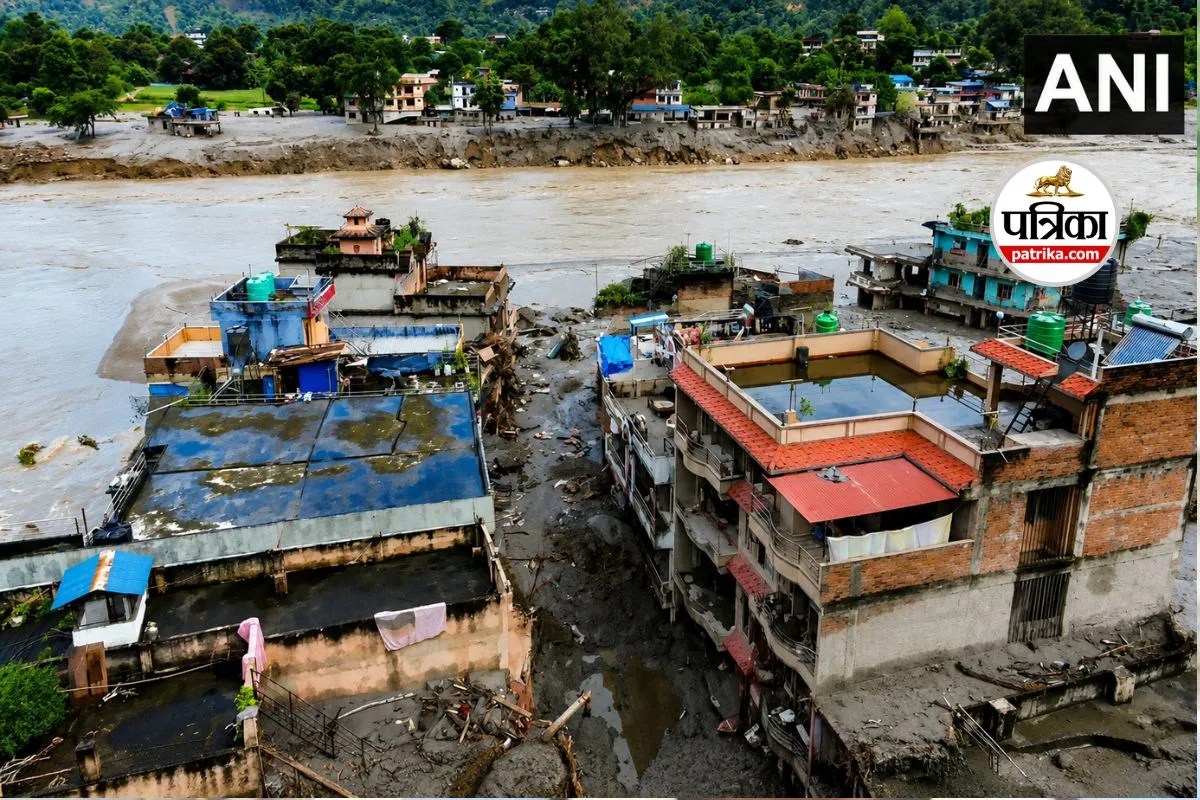
When floods devastate communities in South Asia, the immediate public response defaults to crowd-sourced panic boards. People pin photocopies of missing relatives, phone numbers, and last-known locations to public squares and embankment walls. Observers call this grassroots resilience. I call it a systematic breakdown of emergency protocol that actively delays actual rescue operations.
We need to stop romanticizing disaster chaos. The rush to crowd-source missing persons via public notice boards does not save lives. It clogs emergency channels, exhausts limited search-and-rescue bandwidth with duplicate reports, and preys on the psychological vulnerability of survivors who deserve structured institutional support rather than DIY bulletin boards. Related insight on this trend has been shared by USA Today.
The Lazy Consensus Exposed
The mainstream narrative tells a comforting lie. It claims that when institutions fail during a catastrophe, communities step up by creating decentralized information hubs. You have seen the headlines after every major flood event. Families pinning hopes to a wall of the missing, treating a sheet of paper stuck to brickwork as a lifeline.
This sounds noble in a feature documentary. In practical disaster management, it is a catastrophe.
Consider a scenario where a family pins a handwritten note about a missing uncle to a wall in Kathmandu or a district headquarters, while simultaneously filing no official report with local authorities because they assume the public board is the registry. That data stays local. It stays analog. It remains entirely disconnected from the forensic teams, medical examiners, and mobile rescue units scouring downstream riverbanks.
Information fragmentation kills. When data about the missing is scattered across hundreds of physical walls, social media feeds, and radio broadcasts without a centralized intake pipeline, you create a logistical nightmare. Rescuers waste precious operational hours verifying ghost leads or chasing duplicates generated by well-meaning neighbors.
I have watched logistics chains collapse in emergency zones because local actors substituted emotional release for data hygiene. We mistake the action of writing a name down for the process of finding a person. They are not the same thing.
Why Bureaucracy Beats Bulletins
Nobody likes paperwork when water is rising. Bureaucracy is boring. It lacks cinematic flair. But in mass casualty events, centralized registry protocols are the only barrier between systematic recovery and total chaos.
When a government or disaster response agency sets up an intake center, they do not just collect names. They collect context. They record biometric markers, clothing descriptions, precise geographic coordinates of last contact, and medical identifiers. A slip of paper on a wall saying "Ram, missing since Tuesday near the bridge" gives a rescue team zero actionable intelligence.
Let us look at the structural mechanics of disaster tracing. Effective tracking requires three non-negotiable pillars:
- Single-Source Intake: Every report must flow into one master database to eliminate duplicate entries and cross-reference survivors found elsewhere.
- Verification Protocols: Claims must be authenticated by field workers to prevent malicious misdirection or accidental false alarms.
- Inter-Agency Sync: Rescue squads, hospitals, and morgues must operate on the exact same data ledger in real time.
When communities bypass these systems to pin flyers on public structures, they fragment the data pool. The wall of the missing becomes an echo chamber of grief rather than a tool for recovery. Worse, it offers false closure. Families linger near these walls for weeks, waiting for a miracle update from a stranger, while institutional rescue efforts wind down because official casualty numbers do not reflect the crowds gathered around a makeshift shrine.
The Cost of False Hope
There is a dark side to emotional architecture. Public display boards invite manipulation, rumor-mongering, and cruelty.
In the wake of major floods, pranksters, extortionists, and predatory opportunists monitor these public spaces. They spot vulnerable people standing in front of lists of the missing and exploit their emotional state. A centralized registration tent run by authorities provides security, verification, and professional grief counseling. A public wall provides none of that. It exposes traumatized people to the elements and bad actors alike.
Furthermore, relying on public walls shifts the burden of investigation from the state to the victims. Governments love when citizens manage their own tragedies because it absolves them of structural failure. When infrastructure crumbles and official search teams are underfunded or unresponsive, providing a blank wall for citizens to tape up their missing relatives is a cheap substitute for actual governance.
Stop accepting infrastructure failures as cultural resilience.
What to Do When the Water Rises
If you find yourself or your community caught in the aftermath of a catastrophic flood, do not waste energy contributing to information silos.
- Register Officially First: Bypass the public bulletin boards until you have logged an official missing person report with designated civil protection or law enforcement units that feed into a centralized database.
- Digitize with Context: If you must use digital or public channels to spread word, include verified identification numbers, distinct physical markers, and direct contact numbers for local authorities, not personal numbers that invite scams.
- Audit the Relief Channels: Demand transparency from local disaster committees. Ask where the central registry is housed, not where the notice boards are located.
We must stop confusing the tools of despair with the tools of salvation. The wall of the missing is a monument to what went wrong, not a map to how we fix it.
Tear down the illusion. Build the database.